Author: admin

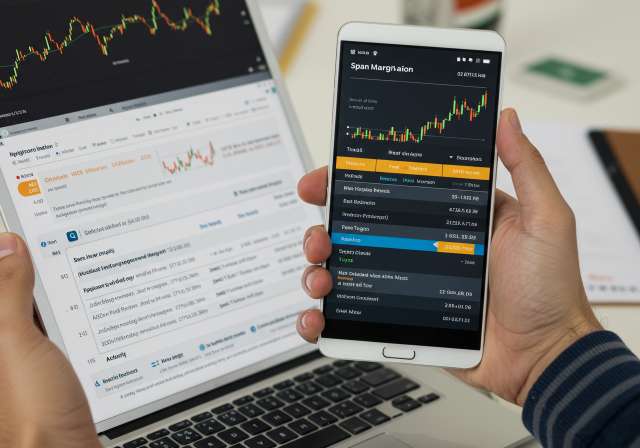
  • Best Option Trading App for Beginners with Tutorial: A Comprehensive Guide

    Best Option Trading App for Beginners with Tutorial: A Comprehensive Guide

    Looking to start options trading in India? Find the best option trading app for beginners with tutorial! Compare features, brokerage charges, and user experienc

    Looking to start options trading in India? Find the best option trading app for beginners with tutorial! Compare features, brokerage charges, and user experience to make an informed decision.

    Best Option Trading App for Beginners with Tutorial: A Comprehensive Guide

    Introduction to Options Trading in India

    Options trading, a segment of the equity market, offers the potential for high returns, but also carries significant risk. In India, the National Stock Exchange (NSE) and the Bombay Stock Exchange (BSE) are the primary exchanges where options are traded. Before diving into options trading, it’s crucial to understand the fundamentals: call options, put options, strike prices, expiration dates, and the concept of the option chain. Remember, the Securities and Exchange Board of India (SEBI) regulates the Indian securities market, including options trading, ensuring a fair and transparent environment.

    For beginners, understanding the jargon and the strategies involved can be daunting. That’s why choosing the right trading app is paramount. A user-friendly interface, comprehensive educational resources, and efficient order execution can significantly impact your trading journey.

    What to Look for in an Option Trading App for Beginners

    Selecting the right options trading app is crucial for a successful and comfortable trading experience. Here are some key factors to consider:

    1. User-Friendly Interface

    The app should have an intuitive design that’s easy to navigate. Clear charts, readily available option chains, and simple order placement are essential features. Look for apps that offer a customizable interface to tailor the layout to your preferences.

    2. Brokerage Charges and Fees

    Brokerage charges can eat into your profits, especially if you’re trading frequently. Compare the brokerage fees of different apps. Some brokers offer flat-fee pricing, while others charge a percentage of the transaction value. Also, be aware of other potential fees like DP charges (Depository Participant charges) and exchange transaction fees.

    3. Educational Resources and Support

    A good trading app should provide comprehensive educational resources, such as tutorials, webinars, and articles, to help you learn about options trading strategies and risk management. Excellent customer support is also essential, especially when you’re starting out. Look for apps that offer multiple channels of support, such as phone, email, and chat.

    4. Real-Time Data and Analytics

    Access to real-time market data is critical for making informed trading decisions. The app should provide live quotes, charts, and option chains. Advanced analytics tools, such as technical indicators and charting tools, can also be helpful.

    5. Risk Management Tools

    Options trading involves inherent risks. The app should offer tools to help you manage your risk, such as stop-loss orders, limit orders, and position sizing calculators. Some apps even offer features like strategy builders that help you visualize potential outcomes based on different market scenarios.

    6. Security and Reliability

    Ensure that the app is secure and reliable. Look for apps that use encryption to protect your data and offer two-factor authentication for added security. The app should also be stable and perform reliably, especially during periods of high market volatility.

    Top Option Trading Apps for Beginners in India

    Here are some of the popular options trading apps in India that are well-suited for beginners. Remember to do your own research and compare the features and fees of each app before making a decision.

    • Zerodha Kite: Known for its simple interface and low brokerage fees (₹20 per executed order). Offers a wide range of features and tools, including advanced charting, option chain analysis, and direct mutual fund investments.
    • Upstox Pro: Another popular choice with a user-friendly interface and competitive brokerage fees. Provides access to real-time data and advanced charting tools. They also offer paper trading features for beginners to practice without risking real money.
    • Groww: A beginner-friendly app with a simple and intuitive interface. Offers commission-free equity investments and direct mutual fund investments, along with options trading.
    • Angel One: A full-service broker that offers a mobile trading app with a range of features, including advisory services and research reports.
    • IIFL Securities: Offers a comprehensive trading platform with a wide range of features, including options trading, mutual fund investments, and IPO applications.

    Ultimately, the best option trading app for beginners with tutorial will depend on your individual needs and preferences. Consider the factors mentioned above and compare the features of different apps to find the one that’s right for you.

    A Step-by-Step Tutorial: Placing Your First Options Trade

    Let’s walk through a simplified example of placing your first options trade using a hypothetical trading app.

    Step 1: Funding Your Account

    Before you can start trading, you need to fund your trading account. Most apps allow you to transfer funds using various methods, such as UPI, net banking, and debit card. Ensure that you have sufficient funds in your account to cover the margin requirements for the options you want to trade.

    Step 2: Finding the Option Chain

    Navigate to the options chain for the underlying asset you want to trade (e.g., NIFTY 50). The option chain displays all available call and put options for a specific expiration date, along with their strike prices, premiums, and other relevant information.

    Step 3: Analyzing the Option Chain

    Take some time to analyze the option chain. Look at the implied volatility (IV), open interest (OI), and volume of different options. This information can help you assess the market sentiment and identify potential trading opportunities.

    Step 4: Selecting Your Option

    Based on your analysis and trading strategy, select the option you want to buy or sell. Consider factors like the strike price, expiration date, and premium. For example, if you believe the price of NIFTY 50 will rise, you might buy a call option. Conversely, if you believe the price will fall, you might buy a put option.

    Step 5: Placing the Order

    Once you’ve selected your option, click on the “Buy” or “Sell” button. A new order entry screen will appear. Enter the quantity of options you want to trade, the price you’re willing to pay (or receive), and the order type (e.g., market order, limit order). A market order will be executed immediately at the best available price, while a limit order will only be executed if the price reaches your specified level.

    Step 6: Reviewing and Confirming the Order

    Before submitting the order, carefully review all the details to ensure they are correct. Pay close attention to the quantity, price, and order type. Once you’re satisfied, click on the “Confirm” button to submit the order. Your order will then be sent to the exchange for execution.

    Step 7: Monitoring Your Position

    Once your order is executed, you can monitor your position in the app’s portfolio section. Track the performance of your option and consider adjusting your strategy as needed. You can also set stop-loss orders to limit your potential losses.

    Important Considerations and Risk Management

    Options trading is inherently risky, and it’s crucial to understand the risks involved before you start trading. Here are some important considerations and risk management tips:

    • Start Small: Begin with a small amount of capital that you can afford to lose. Don’t over-leverage your account.
    • Understand Option Greeks: Learn about the option greeks (Delta, Gamma, Theta, Vega) and how they affect the price of options.
    • Use Stop-Loss Orders: Always use stop-loss orders to limit your potential losses.
    • Manage Your Emotions: Don’t let your emotions drive your trading decisions. Stick to your strategy and avoid impulsive trades.
    • Diversify Your Portfolio: Don’t put all your eggs in one basket. Diversify your portfolio across different assets and strategies.
    • Stay Informed: Keep up-to-date with market news and events that could impact your options positions.
    • Consider Paper Trading: Many apps offer paper trading or virtual trading accounts. Use these to practice strategies without real money

    Beyond the App: Investing in Your Financial Education

    While a good trading app provides the tools you need, remember that it’s only part of the equation. A strong foundation in financial literacy is crucial. Consider exploring other investment avenues like mutual funds through Systematic Investment Plans (SIPs), Equity Linked Savings Schemes (ELSS) for tax benefits, Public Provident Fund (PPF), and the National Pension System (NPS) to diversify your overall investment portfolio and achieve long-term financial goals. Explore resources offered by SEBI and reputable financial institutions to deepen your understanding.

    Conclusion

    Choosing the right option trading app and equipping yourself with the necessary knowledge are essential steps for a successful options trading journey. Remember to prioritize user-friendliness, low brokerage fees, educational resources, and robust risk management tools when selecting an app. Always approach options trading with caution, and never invest more than you can afford to lose. With dedication and a well-informed strategy, you can navigate the complexities of options trading and potentially achieve your financial goals.


  • Zero Brokerage Equity Delivery Apps: A Guide for Indian Investors

    Zero Brokerage Equity Delivery Apps: A Guide for Indian Investors

    Tired of hefty brokerage fees eating into your profits? Discover the best zero brokerage app for equity delivery India has to offer. Invest smarter and maximize

    Tired of hefty brokerage fees eating into your profits? Discover the best zero brokerage app for equity delivery india has to offer. Invest smarter and maximize your returns today!

    Zero Brokerage Equity Delivery Apps: A Guide for Indian Investors

    Introduction: The Rise of Zero Brokerage in India

    The Indian equity market is booming, with more and more individuals looking to participate in the wealth creation opportunities it offers. Traditionally, brokerage fees have been a significant cost associated with investing, particularly in equity delivery, where investors hold shares for the long term. However, the landscape is changing rapidly. The advent of technology has ushered in a new era of “zero brokerage” trading platforms, democratizing access to the stock market and empowering investors to maximize their returns.

    This article delves into the world of zero brokerage apps in India, specifically focusing on equity delivery. We will explore the benefits of these platforms, compare some of the leading players, discuss the potential hidden costs, and provide guidance on choosing the right platform for your investment needs.

    Understanding Equity Delivery and Brokerage Charges

    Before we dive into zero brokerage apps, let’s quickly recap what equity delivery means. In equity delivery, you purchase shares of a company and hold them in your Demat account for more than one day. This is in contrast to intraday trading, where you buy and sell shares on the same day.

    Traditionally, brokers charge a percentage of the transaction value or a fixed fee for each equity delivery trade. These brokerage charges can significantly impact your overall profitability, especially for frequent traders or those investing smaller amounts. For example, if you invest ₹10,000 with a brokerage of 0.5%, you’ll pay ₹50 in brokerage fees alone. Over time, these fees can add up to a substantial sum.

    The Appeal of Zero Brokerage Equity Delivery

    Zero brokerage apps have disrupted the traditional brokerage model by eliminating brokerage fees on equity delivery trades. This offers several advantages to Indian investors:

    • Reduced Costs: The most obvious benefit is the significant reduction in trading costs. By eliminating brokerage fees, investors can save a considerable amount of money, especially over the long term.
    • Increased Profitability: Lower costs directly translate into higher profitability. You keep a larger portion of your investment gains, allowing you to reinvest and compound your wealth more effectively.
    • Encourages Long-Term Investing: Zero brokerage makes long-term investing more attractive. With no brokerage fees to worry about, you can hold your investments for longer periods without incurring additional costs, allowing you to benefit from the power of compounding.
    • Accessibility for Small Investors: Zero brokerage platforms make investing accessible to a wider range of individuals, including those with smaller capital. Even with limited funds, you can start building your portfolio without being burdened by hefty brokerage fees.

    Leading Zero Brokerage Apps in India

    Several brokerage firms in India now offer zero brokerage for equity delivery. Here are some of the leading players:

    • Groww: Groww has gained immense popularity for its user-friendly interface and seamless investment experience. It offers zero brokerage on equity delivery and direct mutual fund investments.
    • Zerodha: Zerodha is a pioneer in the discount broking space and is known for its robust platform and competitive pricing. It charges zero brokerage for equity delivery and direct mutual fund investments but levies a small fee for intraday trading and futures & options (F&O).
    • Upstox: Upstox, backed by prominent investors, offers a simplified trading experience with zero brokerage on equity delivery. It also provides access to various investment options, including mutual funds and IPOs.
    • Angel One (formerly Angel Broking): Angel One has transitioned from a traditional brokerage firm to a technology-driven platform offering zero brokerage on equity delivery trades. They also provide research and advisory services.
    • mStock (Mirae Asset): mStock by Mirae Asset offers a completely brokerage-free experience for all products including equity, F&O, Currency, and commodities.

    It’s important to note that the specific features, offerings, and account opening charges may vary between these platforms. It is recommended to carefully compare the features of each before selecting a suitable platform.

    Beyond Zero Brokerage: Hidden Costs and Considerations

    While the “zero brokerage” tag is enticing, it’s crucial to understand that there may be other costs associated with using these platforms. Here are some factors to consider:

    • Statutory Charges: All brokerage firms, including zero brokerage platforms, are required to collect statutory charges such as Securities Transaction Tax (STT), Goods and Services Tax (GST), Stamp Duty, and SEBI charges. These charges are levied on all trades, regardless of the brokerage fee.
    • Demat Account Charges: Demat accounts typically have annual maintenance charges (AMC). Check the AMC fees charged by the platform and compare them across different providers.
    • Platform Fees: Some platforms may charge platform fees or subscription fees for accessing certain features or services. Be sure to understand the fee structure before signing up.
    • Inactivity Fees: Some brokers may charge inactivity fees if you don’t trade for a certain period.
    • Fund Transfer Charges: Check for any charges associated with transferring funds to and from your trading account.
    • Intraday and F&O Charges: While equity delivery may be free, intraday trading and trading in futures and options (F&O) usually attract brokerage fees. If you plan to engage in these types of trading, be aware of the associated charges.

    Furthermore, it is important to remember that a zero brokerage app for equity delivery india may not be the best choice if its trading platform is unreliable, lacks advanced features, or has poor customer service. These factors can significantly impact your trading experience and profitability.

    Choosing the Right Zero Brokerage App: Key Factors

    Selecting the right zero brokerage app requires careful consideration. Here are some key factors to keep in mind:

    • Platform Reliability and User Interface: The platform should be stable, reliable, and easy to use. A user-friendly interface can make trading more efficient and enjoyable.
    • Trading Tools and Features: Consider the availability of charting tools, technical indicators, and other features that can help you make informed trading decisions.
    • Research and Advisory Services: If you’re a beginner investor, look for platforms that offer research reports, investment recommendations, and educational resources.
    • Customer Support: Ensure that the platform offers responsive and reliable customer support in case you encounter any issues.
    • Security: Choose a platform that prioritizes security and employs robust measures to protect your account and personal information. Look for features like 2FA (Two-Factor Authentication).
    • Account Opening Process: Consider the ease and speed of the account opening process. A seamless and hassle-free experience is always desirable.
    • Investment Options: Evaluate the range of investment options available on the platform. If you plan to invest in mutual funds, IPOs, or other asset classes, ensure that the platform offers access to these options.
    • Mobile App Availability: A well-designed and functional mobile app is essential for trading on the go. Check the app’s features, user reviews, and ratings before choosing a platform.
    • Reviews and Ratings: Read online reviews and ratings from other users to get an idea of the platform’s reputation and user experience.

    Beyond Equity: Exploring Other Investment Options

    While equity delivery is a popular investment option, it’s important to diversify your portfolio by exploring other investment avenues. Here are some options to consider:

    • Mutual Funds: Mutual funds are a popular choice for investors looking for diversification and professional management. You can invest in various types of mutual funds, including equity funds, debt funds, and hybrid funds, through zero brokerage platforms. Many platforms also offer direct mutual fund investments, which eliminate distributor commissions and can potentially increase your returns.
    • SIP (Systematic Investment Plan): A SIP allows you to invest a fixed amount in a mutual fund at regular intervals (e.g., monthly). This is a disciplined way to invest and can help you benefit from rupee cost averaging.
    • ELSS (Equity Linked Savings Scheme): ELSS funds are equity mutual funds that offer tax benefits under Section 80C of the Income Tax Act. These funds have a lock-in period of three years.
    • PPF (Public Provident Fund): PPF is a government-backed savings scheme that offers tax benefits and a guaranteed rate of return. It’s a safe and reliable investment option for long-term financial goals.
    • NPS (National Pension System): NPS is a retirement savings scheme that allows you to invest in a mix of equity, debt, and government securities. It offers tax benefits and can help you build a substantial retirement corpus.
    • Bonds and Debentures: Bonds and debentures are fixed-income securities that offer a fixed rate of return. They are generally considered less risky than equities.
    • Initial Public Offerings (IPOs): Investing in IPOs can be a potentially lucrative opportunity. Many zero brokerage platforms offer access to IPO applications.

    Conclusion: Empowering Investors with Zero Brokerage

    The emergence of zero brokerage apps has revolutionized the Indian stock market, making it more accessible and affordable for a wider range of investors. By eliminating brokerage fees on equity delivery trades, these platforms empower investors to maximize their returns and build wealth more effectively. However, it’s crucial to understand the potential hidden costs and choose a platform that aligns with your investment goals and preferences. By carefully considering the factors discussed in this article, you can make an informed decision and embark on your investment journey with confidence.

    Remember to conduct thorough research, compare different platforms, and seek professional advice if needed. Happy investing!

  • Best Stock Trading App for Beginners in India: A Simple Guide

    Best Stock Trading App for Beginners in India: A Simple Guide

    Confused about stock trading? Find the best easy stock trading app for beginners in India! Compare platforms, features, and user-friendliness to start investing

    Confused about stock trading? Find the best easy stock trading app for beginners in India! Compare platforms, features, and user-friendliness to start investing smarter today.

    Best Stock Trading App for Beginners in India: A Simple Guide

    Introduction: Demystifying the Indian Stock Market

    The Indian stock market, with its bustling activity on the National Stock Exchange (NSE) and Bombay Stock Exchange (BSE), might seem daunting to newcomers. Images of seasoned investors poring over charts and complex financial statements can be intimidating. However, thanks to advancements in technology, accessing the stock market is now easier than ever. Gone are the days of physically visiting a broker or relying on phone calls for trades. Today, a multitude of user-friendly stock trading apps empower individuals to participate in the equity markets with just a few taps on their smartphones. This guide aims to navigate you through the world of stock trading apps in India, focusing specifically on those designed for beginners.

    Why Choose a Stock Trading App?

    Stock trading apps offer several advantages over traditional brokerage methods, particularly for beginners:

    • Accessibility: Trade stocks anytime, anywhere, using your smartphone or tablet.
    • Low Costs: Many apps offer discounted brokerage fees or even commission-free trading, reducing your initial investment burden.
    • Real-Time Data: Access live market data, stock quotes, and charts to make informed decisions.
    • User-Friendly Interface: Intuitive designs and simplified navigation make it easy to understand market trends and execute trades.
    • Educational Resources: Many apps provide learning materials, tutorials, and webinars to help beginners grasp the fundamentals of stock trading.

    Key Features to Look for in a Beginner-Friendly App

    When selecting a stock trading app as a beginner, consider the following essential features:

    • Ease of Use: The app should have a clean, uncluttered interface that is easy to navigate. Look for clear labeling, intuitive buttons, and helpful tooltips.
    • Account Opening Process: A streamlined and hassle-free account opening process is crucial. The app should guide you through each step, from KYC (Know Your Customer) verification to linking your bank account.
    • Brokerage Charges & Fees: Understand the brokerage charges, account maintenance fees, and other applicable charges. Compare different apps to find the most cost-effective option.
    • Security Measures: Ensure the app employs robust security measures, such as two-factor authentication and data encryption, to protect your account and personal information. All brokers need to be registered with SEBI.
    • Educational Resources: Look for apps that offer educational resources like articles, videos, tutorials, and webinars to help you learn about stock trading and investment strategies.
    • Customer Support: Reliable and responsive customer support is essential in case you encounter any issues or have questions. Check for options like phone support, email support, and live chat.
    • Investment Options: While you might be starting with stocks, consider apps that offer a range of investment options like mutual funds, ETFs (Exchange Traded Funds), and IPOs (Initial Public Offerings) for future diversification.
    • Portfolio Tracking: The app should provide a clear overview of your portfolio performance, including gains, losses, and overall returns.
    • Research Tools: Access to basic research tools like stock screeners, analyst ratings, and company financials can aid in your decision-making process.

    Top Stock Trading Apps for Beginners in India (No Specific App Recommendations)

    Several stock trading apps in India cater specifically to beginners. While it’s unethical to directly recommend any single app without proper disclaimers and research into the reader’s financial situation, here are some types of apps that are popular amongst beginners, highlighting their common features:

    Discount Brokers

    Discount brokers typically offer lower brokerage fees compared to full-service brokers. They focus on providing a platform for executing trades and may offer limited research and advisory services. Many of these brokers offer commission-free investing in equity.

    • Pros: Lower brokerage fees, fast execution, simple interface.
    • Cons: Limited research and advisory services, may require self-directed learning.
    • Suitable for: Beginners who are comfortable with independent research and want to minimize trading costs.

    Full-Service Brokers

    Full-service brokers provide a wider range of services, including research reports, personalized investment advice, and wealth management services. Their brokerage fees are typically higher than discount brokers.

    • Pros: Comprehensive research and advisory services, personalized guidance.
    • Cons: Higher brokerage fees, potentially more complex interface.
    • Suitable for: Beginners who prefer expert guidance and are willing to pay for premium services.

    Direct Mutual Fund Investment Platforms

    While not exclusively stock trading apps, these platforms allow you to invest in direct mutual funds, which have lower expense ratios compared to regular mutual funds. Many of these platforms now also offer stock trading features.

    • Pros: Access to direct mutual funds, potential for lower expense ratios, integrated investment platform.
    • Cons: Limited stock trading features compared to dedicated stock trading apps.
    • Suitable for: Beginners interested in both stocks and mutual funds and want a consolidated investment platform.

    Understanding Brokerage Charges and Other Fees

    Before choosing a stock trading app, carefully examine the brokerage charges and other fees involved. Here are some common types of fees:

    • Brokerage Fee: A commission charged on each buy or sell order. This can be a fixed amount per trade or a percentage of the trade value.
    • Account Maintenance Fee: A fee charged periodically for maintaining your trading account. Some brokers offer zero account maintenance fees.
    • Transaction Charges: Fees levied by the exchanges (NSE and BSE) and clearing corporations for processing trades.
    • DP Charges (Depository Participant Charges): Charges levied by the depository (CDSL or NSDL) for transferring shares to and from your Demat account.
    • GST (Goods and Services Tax): A tax levied on brokerage fees and other services.

    Consider the frequency of your trades when evaluating brokerage charges. If you plan to trade frequently, a lower per-trade brokerage fee may be more advantageous. If you plan to trade less frequently, a zero-brokerage account with a slightly higher DP charge might be suitable. The “easy stock trading app for beginners india” should be transparent about all costs involved.

    Beyond Stocks: Exploring Other Investment Options

    While stocks are a popular investment option, it’s essential to diversify your portfolio across different asset classes. Here are some other investment options available in India:

    • Mutual Funds: A diversified portfolio of stocks, bonds, or other assets managed by a professional fund manager. Mutual funds are a good option for beginners who want to diversify their investments without extensive research. Options include Equity Linked Savings Schemes (ELSS) for tax saving under section 80C.
    • ETFs (Exchange Traded Funds): Similar to mutual funds, but traded on stock exchanges like individual stocks. ETFs offer diversification and liquidity.
    • Government Securities (G-Secs): Debt instruments issued by the government, considered to be relatively safe investments.
    • Corporate Bonds: Debt instruments issued by companies, offering potentially higher returns than G-Secs but also carrying higher risk.
    • Public Provident Fund (PPF): A long-term savings scheme offered by the government, providing tax benefits and guaranteed returns.
    • National Pension System (NPS): A retirement savings scheme that allows individuals to invest in a mix of equity, debt, and other assets.
    • Fixed Deposits (FDs): A traditional savings option offered by banks and financial institutions, providing guaranteed returns at a fixed interest rate.

    Tips for Beginner Stock Traders

    Here are some essential tips to help you get started on your stock trading journey:

    • Start Small: Begin with a small amount of capital that you can afford to lose. This will allow you to learn the ropes without risking significant financial loss.
    • Invest in What You Understand: Invest in companies and industries that you are familiar with. This will help you make more informed decisions.
    • Do Your Research: Don’t rely solely on tips or recommendations from others. Conduct your own research and analysis before investing in any stock.
    • Set Realistic Goals: Don’t expect to get rich quick. Stock trading requires patience, discipline, and a long-term perspective.
    • Manage Your Risk: Use stop-loss orders to limit your potential losses. Diversify your portfolio to reduce risk.
    • Be Patient: The stock market can be volatile. Don’t panic sell during market downturns. Stay focused on your long-term investment goals.
    • Learn Continuously: Stay updated on market trends, financial news, and investment strategies. Attend webinars, read books, and follow reputable financial publications.
    • Consider SIPs: A Systematic Investment Plan (SIP) allows you to invest a fixed amount regularly in a chosen stock or mutual fund. This helps in Rupee Cost Averaging and mitigates market timing risk.
    • Seek Professional Advice: If you’re unsure about any aspect of stock trading, consult with a qualified financial advisor.

    Conclusion: Empowering Your Investment Journey

    The world of stock trading is now accessible to everyone, thanks to the proliferation of user-friendly trading apps. By carefully considering your needs, comparing different platforms, and following the tips outlined in this guide, you can choose the right app and embark on a successful investment journey. Remember to prioritize education, risk management, and a long-term perspective. Happy Investing!

  • Basket Order Trading: Streamline Your Investments in the Indian Market

    Basket Order Trading: Streamline Your Investments in the Indian Market

    Simplify investing with basket order trading! Learn how to execute multiple trades simultaneously on the NSE & BSE, manage risk, and optimize your portfolio. Ex

    Simplify investing with basket order trading! Learn how to execute multiple trades simultaneously on the NSE & BSE, manage risk, and optimize your portfolio. Explore its benefits today!

    Basket Order Trading: Streamline Your Investments in the Indian Market

    Introduction: What is a Basket Order?

    In the dynamic world of the Indian stock market, efficiency is paramount. Whether you’re a seasoned trader managing a complex portfolio or a new investor dipping your toes into equity markets, time is a valuable asset. This is where the concept of a basket order comes into play, offering a streamlined approach to executing multiple trades simultaneously. Think of it as a pre-defined collection of buy and sell orders for various stocks or other securities, all bundled together and executed at once.

    Imagine you’re implementing a specific investment strategy that requires you to purchase shares of ten different companies listed on the NSE. Instead of placing each order individually, which can be time-consuming and prone to errors, a basket order allows you to enter all ten orders at once, saving you valuable time and minimizing the risk of missing crucial market movements.

    Benefits of Basket Order Trading for Indian Investors

    Basket order trading offers a range of advantages, particularly for Indian investors navigating the complexities of the BSE and NSE:

    • Time Efficiency: This is perhaps the most significant benefit. Executing multiple orders simultaneously saves considerable time compared to placing individual trades. This is particularly crucial for day traders and active investors who need to react quickly to market fluctuations.
    • Reduced Risk of Errors: When placing multiple individual orders, there’s a higher chance of making mistakes, such as entering the wrong quantity or price. Basket orders minimize this risk by allowing you to review and confirm all orders before execution.
    • Improved Portfolio Rebalancing: Rebalancing your portfolio, which involves adjusting the allocation of assets to maintain your desired risk profile, often requires buying and selling multiple securities. Basket orders simplify this process, making it easier to maintain your target asset allocation.
    • Strategy Implementation: Complex trading strategies, such as pair trading or index replication, often involve executing multiple correlated trades. Basket orders provide a convenient way to implement these strategies efficiently.
    • Precision in Execution: Certain advanced order types can be incorporated within a basket order, enabling you to target specific entry and exit points based on your technical analysis or fundamental research.

    Understanding How Basket Orders Work in India

    The functionality of basket orders may vary slightly depending on the brokerage platform you use. However, the general process involves the following steps:

    1. Creating the Basket: You begin by defining the basket, specifying the stocks or other securities you want to include, the quantity of each, and the order type (e.g., market order, limit order).
    2. Setting Order Parameters: For each stock in the basket, you can set specific order parameters, such as price limits or stop-loss triggers. This allows you to customize the execution of each trade based on your individual requirements.
    3. Reviewing the Basket: Before submitting the basket order, it’s crucial to carefully review all the details to ensure accuracy. Double-check the stock symbols, quantities, and prices to avoid any errors.
    4. Executing the Basket: Once you’re satisfied with the details, you can execute the basket order. The brokerage platform will then attempt to execute all the orders simultaneously or as close to simultaneously as possible, depending on market conditions and liquidity.
    5. Monitoring Execution: After execution, it’s essential to monitor the status of each order in the basket. Some orders may be filled immediately, while others may take longer depending on market conditions.

    Basket Orders and Investment Strategies

    Basket orders are particularly useful for implementing various investment strategies in the Indian market. Here are a few examples:

    Index Replication

    If you want to replicate the performance of a specific index, such as the Nifty 50 or the Sensex, you can create a basket order that includes all the stocks in the index, weighted according to their respective market capitalization. This allows you to track the index’s performance without having to purchase an index fund or ETF.

    Sector Allocation

    If you believe that a particular sector is poised for growth, you can create a basket order that includes stocks from companies operating in that sector. This allows you to gain exposure to the sector without having to pick individual winners.

    Pair Trading

    Pair trading involves identifying two stocks that are historically correlated and then taking opposing positions (buying one and selling the other) when their correlation breaks down. Basket orders can be used to simultaneously execute the buy and sell orders in a pair trade.

    Portfolio Rebalancing with Basket Orders

    As mentioned earlier, rebalancing your portfolio involves adjusting the allocation of assets to maintain your desired risk profile. Basket orders can greatly simplify this process. Suppose your target asset allocation is 60% equity and 40% debt. Over time, due to market movements, your allocation may drift to 70% equity and 30% debt. To rebalance, you would need to sell some equity holdings and purchase debt instruments. A basket order allows you to execute these transactions efficiently, bringing your portfolio back to its target allocation. Imagine a scenario where you hold various mutual funds, some equity-oriented, and some debt-oriented. You could use a basket order to sell a portion of your equity mutual funds and buy more of your debt mutual funds, ensuring your portfolio reflects your risk tolerance and investment goals.

    Types of Securities Suitable for Basket Orders

    Basket orders can be used to trade a wide range of securities available on the Indian stock exchanges, including:

    • Equity Shares: The most common type of security traded using basket orders.
    • Derivatives (Futures and Options): Useful for implementing hedging strategies or speculative trades.
    • Exchange Traded Funds (ETFs): Allows you to gain diversified exposure to specific indices or sectors.
    • Sovereign Gold Bonds (SGBs): A safer alternative to physical gold; these can be traded on the exchanges.
    • Mutual Fund Units (Direct Equity): Some brokers also facilitate direct redemption and purchase of mutual fund units through basket orders. Note that this may be less common than trading stocks or ETFs.

    Risks and Considerations

    While basket orders offer numerous benefits, it’s essential to be aware of the potential risks and considerations:

    • Market Volatility: During periods of high market volatility, it may be challenging to execute all the orders in a basket at the desired prices. Some orders may be filled at prices that are significantly different from your expectations.
    • Liquidity: If some of the securities in the basket are thinly traded, it may be difficult to fill the orders, especially in large quantities.
    • Slippage: Slippage refers to the difference between the expected price of a trade and the actual price at which it is executed. Slippage can occur due to market volatility or low liquidity.
    • Brokerage Charges: Be aware of the brokerage charges associated with basket orders. Some brokers may charge higher fees for basket orders compared to individual orders.
    • Platform Functionality: Ensure that your brokerage platform supports basket order functionality and that you understand how to use it effectively. Some platforms may offer more advanced features than others.

    Choosing the Right Broker for Basket Order Trading in India

    Selecting the right broker is crucial for a seamless and efficient experience. Consider the following factors:

    • Platform Features: Does the platform offer user-friendly tools for creating, managing, and executing basket orders? Does it provide real-time market data and advanced charting capabilities?
    • Brokerage Charges: Compare the brokerage charges of different brokers to find one that offers competitive rates.
    • Customer Support: Ensure that the broker offers responsive and helpful customer support in case you encounter any issues.
    • Reliability and Security: Choose a broker with a proven track record of reliability and security. Look for brokers that are regulated by SEBI and have robust security measures in place to protect your account.

    Basket Order Trading and SIP/Lumpsum Investing

    While not directly designed as a replacement for Systematic Investment Plans (SIPs), basket orders can facilitate a similar outcome, especially for investors who prefer a more hands-on approach to their investments or are looking to deploy a lumpsum amount strategically. Imagine an investor wishing to replicate a NIFTY 50 ETF but directly through stocks. Using a basket order, they can purchase the NIFTY 50 stocks proportionally, much like a lump sum investment, but with greater control.

    Furthermore, while SIPs offer the benefit of rupee cost averaging, basket orders can be useful for tactical asset allocation. For instance, an investor might create a basket of stocks in a particular sector during a market correction, believing the sector is undervalued. This contrasts with the automatic, periodic nature of a SIP, offering more flexibility. PPF (Public Provident Fund) and NPS (National Pension System), while excellent long-term saving schemes, do not allow for direct stock market investment like basket orders do, emphasizing that the usage is distinct from these instruments.

    Conclusion: Empowering Your Investment Journey

    Basket order trading is a powerful tool that can significantly enhance your investment efficiency and strategy implementation in the Indian market. By understanding its benefits, risks, and how to use it effectively, you can streamline your investment process and potentially improve your returns. Remember to always conduct thorough research, understand your risk tolerance, and consult with a financial advisor before making any investment decisions. Whether you are involved in equity markets, derivatives, or simply rebalancing your portfolio, consider if incorporating the concept into your financial strategy could be beneficial.

  • SIP Calculator: Planning Your Wealth Creation Journey in India

    SIP Calculator: Planning Your Wealth Creation Journey in India

    Plan your financial future with ease! Use our SIP Calculator to estimate your returns on mutual fund investments via Systematic Investment Plans. Start planning

    Plan your financial future with ease! Use our SIP calculator to estimate your returns on mutual fund investments via Systematic Investment Plans. Start planning your wealth creation journey today!

    SIP Calculator: Planning Your Wealth Creation Journey in India

    Understanding Systematic Investment Plans (SIPs)

    In the dynamic world of Indian finance, building a robust investment portfolio is crucial for achieving long-term financial goals. A Systematic Investment Plan (SIP) is a popular and disciplined approach to investing in mutual funds. It allows you to invest a fixed amount of money regularly, typically monthly, in a chosen mutual fund scheme.

    Think of it as a recurring deposit, but instead of earning fixed interest, your money is invested in the market, offering the potential for higher returns. SIPs offer a convenient and affordable way to participate in the equity markets without needing a large lump sum.

    Benefits of Investing Through SIPs

    • Rupee Cost Averaging: By investing regularly, you buy more units when prices are low and fewer units when prices are high, averaging out your purchase cost over time. This mitigates the risk associated with market volatility.
    • Disciplined Investing: SIPs encourage a disciplined savings habit. The automated deductions ensure you invest consistently, regardless of market conditions.
    • Power of Compounding: The returns earned on your investments also earn returns, creating a snowball effect over time. This is especially powerful over longer investment horizons.
    • Accessibility: SIPs are accessible to investors with even small amounts of capital. You can start with as little as ₹500 per month in some schemes.
    • Flexibility: While SIPs encourage discipline, most schemes allow you to pause or stop your SIP if needed, providing flexibility in case of financial emergencies.

    Demystifying the SIP Calculator

    One of the most useful tools available to prospective SIP investors is the SIP calculator. But what exactly is it, and how can it help you make informed investment decisions?

    What is a SIP Calculator?

    A SIP calculator is a free online tool designed to estimate the potential returns on your SIP investments. It takes into account factors like the monthly investment amount, the investment tenure, and the expected rate of return to project the maturity value of your investment. Understanding how to use a SIP calculator is a great first step when planning your financial future.

    How Does a SIP Calculator Work?

    The formula used by most SIP calculators is based on the concept of future value of an annuity. While the underlying mathematics might seem complex, the calculators simplify the process considerably.

    The basic formula used is:

    FV = P x (((1 + r)^n – 1) / r) x (1 + r)

    Where:

    • FV = Future Value of the investment
    • P = Monthly investment amount
    • r = Monthly rate of return (annual rate of return divided by 12)
    • n = Number of months (investment tenure in years multiplied by 12)

    You input the monthly investment amount (P), the expected annual rate of return (which is then converted to a monthly rate ‘r’), and the investment tenure in months (n). The calculator then performs the calculation and provides an estimated future value (FV) of your SIP investment.

    Key Inputs for a SIP Calculator

    • Monthly Investment Amount (₹): This is the amount you plan to invest in the SIP each month.
    • Expected Rate of Return (%): This is the estimated annual rate of return you expect to earn on your investment. This is a crucial input and should be chosen carefully based on the historical performance of the fund and your risk tolerance. Remember that past performance is not indicative of future results.
    • Investment Tenure (Years): This is the duration for which you plan to continue your SIP investments. Longer tenures generally lead to higher returns due to the power of compounding.

    Interpreting the Results

    The SIP calculator provides an estimated maturity value of your investment based on the inputs you provided. It also typically shows the total amount invested and the estimated wealth gain (the difference between the maturity value and the total investment). It’s important to remember that the results are just estimates and are subject to market fluctuations. Actual returns may vary depending on the performance of the underlying mutual fund scheme.

    Practical Applications of a SIP Calculator

    Beyond simply estimating returns, a SIP calculator can be a powerful tool for financial planning. Here are some ways you can use it:

    Setting Financial Goals

    Do you dream of owning a house, funding your child’s education, or retiring comfortably? A SIP calculator can help you determine how much you need to invest each month to reach your goals. By inputting your desired future value and investment tenure, you can calculate the required monthly investment amount.

    Comparing Investment Options

    There are numerous mutual fund schemes available in India, each with different risk profiles and potential returns. You can use a SIP calculator to compare the potential returns of different schemes based on their historical performance and your expected rate of return. However, remember to consider other factors like the fund’s expense ratio, fund manager’s track record, and your risk tolerance before making a final decision.

    Adjusting Investment Strategies

    As your financial situation changes, you may need to adjust your investment strategy. A SIP calculator can help you assess the impact of changes in your monthly investment amount or investment tenure. For example, if you receive a salary increase, you can use the calculator to see how increasing your SIP amount can accelerate your progress towards your financial goals.

    Understanding the Impact of Inflation

    While the SIP calculator estimates future value, it doesn’t directly account for inflation. It’s important to consider the impact of inflation on your returns. For example, if the calculator estimates a maturity value of ₹10 lakhs in 10 years, you need to factor in the erosion of purchasing power due to inflation to determine the real value of that amount.

    Choosing the Right Mutual Fund for Your SIP

    Selecting the right mutual fund scheme is crucial for maximizing your SIP returns. Here are some factors to consider:

    Risk Tolerance

    Are you a conservative investor who prefers low-risk investments, or are you willing to take on more risk for potentially higher returns? Equity funds generally offer higher growth potential but are also more volatile than debt funds. Choose a fund that aligns with your risk tolerance.

    Investment Horizon

    How long do you plan to invest your money? Equity funds are generally better suited for long-term investments (5 years or more), while debt funds are more appropriate for shorter investment horizons.

    Fund Performance

    Review the historical performance of the fund over various time periods. However, remember that past performance is not a guarantee of future returns.

    Expense Ratio

    The expense ratio is the annual fee charged by the fund to manage your investments. A lower expense ratio means more of your returns are retained.

    Fund Manager’s Track Record

    Research the fund manager’s experience and track record. A skilled and experienced fund manager can significantly impact the fund’s performance.

    Types of Mutual Funds for SIP Investments in India

    • Equity Funds: Invest primarily in stocks and offer the potential for high growth but are also more volatile. Examples include Large Cap Funds, Mid Cap Funds, Small Cap Funds, and ELSS (Equity Linked Savings Schemes), which offer tax benefits under Section 80C of the Income Tax Act.
    • Debt Funds: Invest primarily in fixed-income securities like bonds and government securities. They are less volatile than equity funds but offer lower potential returns.
    • Hybrid Funds: Invest in a mix of equity and debt instruments, offering a balance between risk and return.
    • Index Funds: Mimic the performance of a specific market index like the Nifty 50 or Sensex. They offer a low-cost way to invest in the broad market.

    Beyond the SIP Calculator: Other Investment Options in India

    While SIPs in mutual funds are a popular investment option, there are other avenues for building wealth in India:

    Public Provident Fund (PPF)

    A government-backed savings scheme that offers tax benefits under Section 80C and guaranteed returns. It’s a popular choice for long-term retirement savings.

    National Pension System (NPS)

    A retirement savings scheme that allows you to invest in a mix of equity, debt, and government securities. It also offers tax benefits.

    Direct Equity

    Investing directly in stocks listed on the NSE (National Stock Exchange) or BSE (Bombay Stock Exchange) can offer higher potential returns but also carries higher risk. Requires careful research and understanding of the stock market.

    Real Estate

    Investing in property can be a good long-term investment but requires significant capital and involves illiquidity.

    Gold

    Gold is often considered a safe haven asset and can provide diversification to your portfolio. You can invest in gold through gold ETFs, gold mutual funds, or physical gold.

    Regulatory Oversight: SEBI and Investor Protection

    The Securities and Exchange Board of India (SEBI) is the regulatory body for the Indian securities market. SEBI’s role is to protect the interests of investors, regulate the securities market, and promote its orderly development. SEBI has implemented various measures to enhance investor protection, including regulations for mutual funds, stockbrokers, and other market participants.

    Conclusion: Start Planning Your Financial Future Today

    Investing through SIPs is a smart and disciplined way to build wealth over time. While tools like the SIP calculator provide valuable estimations, remember that they are just tools. A thorough understanding of your risk tolerance, investment goals, and the various investment options available is crucial for making informed decisions. Consult with a financial advisor if needed to create a personalized investment plan that aligns with your financial objectives. Start your journey towards financial security today!

  • Mastering Options Trading: A Guide to Option Analytics

    Mastering Options Trading: A Guide to Option Analytics

    Demystifying Option Analytics: Navigate the complex world of options trading with confidence! Learn to analyze options data, assess risk, and optimize your inve

    Demystifying option analytics: Navigate the complex world of options trading with confidence! Learn to analyze options data, assess risk, and optimize your investment strategies in the Indian market. Unlock insights into volatility, pricing models, and hedging techniques. This guide will empower you to make informed decisions and enhance your returns using option analytics tools and strategies.

    Mastering Options Trading: A Guide to Option Analytics

    Introduction: Decoding the Options Market in India

    The Indian stock market, with its bustling exchanges like the NSE and BSE, offers a plethora of opportunities for investors. Among the various instruments available, options contracts stand out as powerful tools for hedging, speculation, and income generation. However, navigating the options market can be daunting without a proper understanding of the underlying principles and the right analytical tools. This guide will delve into the world of option analytics, providing you with the knowledge and skills necessary to make informed trading decisions and potentially enhance your returns in the Indian context.

    Understanding Options Contracts: A Quick Recap

    Before diving into option analytics, let’s briefly recap the fundamentals of options contracts. An option is a contract that gives the buyer the right, but not the obligation, to buy (call option) or sell (put option) an underlying asset at a predetermined price (strike price) on or before a specific date (expiration date). In India, options are typically based on stocks, indices like the Nifty 50 and Bank Nifty, and even currency pairs. The price of an option is called the premium.

    Key components of an option contract:

    • Underlying Asset: The asset on which the option is based (e.g., Reliance Industries stock, Nifty 50 index).
    • Strike Price: The price at which the underlying asset can be bought (call) or sold (put).
    • Expiration Date: The date on which the option contract expires.
    • Premium: The price paid by the buyer to the seller for the option contract.
    • Call Option: Gives the buyer the right to buy the underlying asset.
    • Put Option: Gives the buyer the right to sell the underlying asset.

    What is Option Analytics?

    Option analytics involves the use of mathematical models, statistical techniques, and charting tools to evaluate and analyze options contracts. It helps traders and investors assess the potential risks and rewards associated with different options strategies, and to make informed decisions based on market conditions and their own risk tolerance.

    At its core, it attempts to quantify the various factors that influence an option’s price, allowing for a more strategic approach to trading.

    Key Elements of Option Analytics

    1. The Greeks: Measuring Option Sensitivity

    The Greeks are a set of risk measures that quantify the sensitivity of an option’s price to changes in various underlying factors. Understanding the Greeks is crucial for managing risk and optimizing your options trading strategies.

    • Delta (Δ): Measures the change in an option’s price for a ₹1 change in the price of the underlying asset. A delta of 0.60 indicates that the option price will increase by ₹0.60 for every ₹1 increase in the underlying asset’s price. Calls have positive deltas, and puts have negative deltas.
    • Gamma (Γ): Measures the rate of change of delta for a ₹1 change in the price of the underlying asset. It indicates how much the delta is expected to change as the underlying asset’s price moves. Higher gamma means the delta is more sensitive to price changes.
    • Theta (Θ): Measures the rate of decline in an option’s value due to the passage of time (time decay). Theta is typically negative for both call and put options, meaning that the option loses value as it approaches its expiration date.
    • Vega (ν): Measures the sensitivity of an option’s price to changes in implied volatility. Higher vega means that the option’s price will be more affected by changes in implied volatility.
    • Rho (ρ): Measures the sensitivity of an option’s price to changes in interest rates. Rho is generally less significant than the other Greeks, especially for short-term options.

    2. Implied Volatility (IV)

    Implied volatility is a crucial component in option pricing. It represents the market’s expectation of future volatility in the underlying asset. Higher implied volatility typically leads to higher option prices, while lower implied volatility leads to lower option prices. Understanding and monitoring implied volatility is crucial for identifying potentially overvalued or undervalued options.

    Tools like India VIX (Volatility Index) provide a benchmark for volatility in the Indian market. Analyzing IV percentile, IV rank, and comparing current IV with historical levels helps in identifying potential trading opportunities.

    3. Option Chain Analysis

    The option chain is a list of all available call and put options for a given underlying asset, organized by strike price and expiration date. Analyzing the option chain can provide valuable insights into market sentiment and potential support and resistance levels.

    • Open Interest (OI): Represents the total number of outstanding option contracts for a particular strike price. A significant increase in open interest may indicate strong conviction among traders.
    • Volume: Represents the number of option contracts traded for a particular strike price. High volume can indicate increased interest in a particular strike price.
    • Maximum Pain Point: The strike price at which the maximum number of option contracts will expire worthless. This point often acts as a magnet for the underlying asset’s price as it approaches expiration.

    4. Payoff Diagrams

    Payoff diagrams are visual representations of the potential profit or loss from an options strategy at expiration. These diagrams help traders understand the risk and reward profile of different strategies and choose the most appropriate strategy for their objectives.

    Common options strategies and their payoff profiles:

    • Long Call: Unlimited profit potential, limited risk (premium paid).
    • Long Put: Limited profit potential (down to zero), limited risk (premium paid).
    • Short Call: Limited profit potential (premium received), unlimited risk.
    • Short Put: Limited profit potential (premium received), significant risk.
    • Covered Call: Limited profit potential, reduced risk compared to holding the stock alone.
    • Protective Put: Limited risk, reduced profit potential compared to holding the stock alone.

    5. Option Pricing Models

    Option pricing models are mathematical formulas used to estimate the theoretical value of an option contract. The Black-Scholes model is a widely used option pricing model, but it has certain limitations. Other models, such as the binomial option pricing model, may be more appropriate for certain situations.

    Key inputs to option pricing models:

    • Underlying asset price
    • Strike price
    • Time to expiration
    • Volatility
    • Risk-free interest rate
    • Dividends (if applicable)

    Implementing Option Analytics in Your Trading Strategy

    Now that we’ve covered the key elements of option analytics, let’s discuss how to incorporate them into your trading strategy.

    • Define Your Objectives: Are you looking to hedge your portfolio, speculate on price movements, or generate income? Your objectives will determine the most appropriate options strategies for you.
    • Assess Your Risk Tolerance: Options trading involves risk. Understand your risk tolerance and choose strategies that align with your comfort level.
    • Analyze Market Conditions: Consider the overall market trend, economic indicators, and any news events that may impact the underlying asset’s price.
    • Select the Right Options: Use the tools and techniques discussed above to analyze different options contracts and choose those that offer the best potential risk-reward profile. Look at the Option Chain and Open Interest data on the NSE website, for instance.
    • Manage Your Risk: Implement risk management techniques such as stop-loss orders and position sizing to protect your capital.
    • Monitor Your Positions: Regularly monitor your positions and adjust your strategy as needed based on changes in market conditions.

    Options for Hedging, Speculation, and Income Generation in India

    Options contracts can be used for various purposes in the Indian market:

    • Hedging: Protect your portfolio from potential losses by buying put options on the underlying assets you own.
    • Speculation: Profit from anticipated price movements by buying call options if you expect the price to increase, or buying put options if you expect the price to decrease.
    • Income Generation: Generate income by selling covered calls on stocks you own or selling cash-secured puts on stocks you are willing to buy.

    Remember to adhere to SEBI guidelines and regulations while trading in options.

    Option Analytics and Investment Instruments

    Options vs. Mutual Funds (Equity and ELSS)

    While options trading can offer high returns, it also carries significant risk compared to mutual funds, including equity and ELSS (Equity Linked Savings Scheme) funds. Mutual funds offer diversification and are managed by professional fund managers, making them a more suitable option for risk-averse investors seeking long-term growth.

    Options vs. SIPs (Systematic Investment Plans)

    SIPs in equity mutual funds offer a disciplined approach to investing and benefit from rupee-cost averaging. Options trading, on the other hand, requires active management and a deep understanding of market dynamics. SIPs are generally preferred for long-term wealth creation, while options trading is more suitable for short-term speculation or hedging.

    Options vs. PPF (Public Provident Fund) and NPS (National Pension System)

    PPF and NPS are government-backed retirement savings schemes that offer tax benefits and guaranteed returns (PPF) or market-linked returns (NPS) with lower risk. Options trading should not be considered a replacement for these long-term investment vehicles, as it carries a much higher risk profile.

    Conclusion: Empowering Your Options Trading Journey

    Mastering option analytics is a journey that requires dedication, continuous learning, and a disciplined approach. By understanding the key elements discussed in this guide and implementing them in your trading strategy, you can increase your chances of success in the dynamic world of options trading in India. Remember to always prioritize risk management and stay informed about market developments. Consider taking courses or consulting with financial advisors who specialize in options trading to further enhance your knowledge and skills. With the right knowledge and tools, you can unlock the potential of options contracts and achieve your financial goals.

  • Decoding F&O Trading: A Comprehensive Guide for Indian Investors

    Decoding F&O Trading: A Comprehensive Guide for Indian Investors

    Unlock the potential of F&O trading in India. Understand derivatives, futures, options, strategies, risks, and how to trade on NSE and BSE. Navigate Indian fina

    Unlock the potential of F&O trading in India. Understand derivatives, futures, options, strategies, risks, and how to trade on NSE and BSE. Navigate Indian financial markets with confidence.

    Decoding F&O Trading: A Comprehensive Guide for Indian Investors

    Introduction to Derivatives and F&O Trading

    In the dynamic world of Indian finance, understanding derivatives is crucial for investors looking to enhance their portfolio and potentially amplify returns. Derivatives are financial contracts whose value is derived from an underlying asset. These assets can be anything from stocks and bonds to commodities and currencies. Within the realm of derivatives, Futures and Options, collectively known as F&O, hold significant importance and volume on exchanges like the NSE (National Stock Exchange) and BSE (Bombay Stock Exchange).

    For Indian investors, mastering the nuances of F&O trading can open up avenues for hedging risks, speculating on market movements, and generating income. However, it’s imperative to approach this arena with a clear understanding of the inherent risks and the strategies employed.

    Understanding Futures Contracts

    What are Futures?

    A futures contract is an agreement to buy or sell an asset at a predetermined price on a specified future date. Both parties involved, the buyer and the seller, are obligated to fulfill the contract. In the Indian context, futures are typically traded on indices like Nifty 50 and Bank Nifty, as well as on individual stocks.

    Key Features of Futures Contracts:

    • Standardized Contracts: Futures contracts have standardized specifications, including the quantity of the underlying asset, delivery date (expiry date), and trading units.
    • Margin Requirements: To trade futures, you need to deposit a margin amount with your broker. This margin acts as a security deposit to cover potential losses. The margin requirement is a percentage of the total contract value.
    • Mark-to-Market: Futures positions are marked to market daily. This means that the profit or loss on your position is calculated based on the daily closing price of the futures contract. This profit or loss is then credited or debited to your trading account.
    • Leverage: Futures offer significant leverage, allowing you to control a large contract value with a relatively smaller capital outlay. While this can amplify profits, it can also magnify losses.
    • Expiry Date: Futures contracts have a specific expiry date, usually the last Thursday of the month in the Indian market. On expiry, the contract is either settled in cash or through physical delivery of the underlying asset, depending on the contract specifications.

    Example: Nifty 50 Futures

    Let’s say the Nifty 50 index is currently at 22,000. A Nifty 50 futures contract expiring in the current month is trading at 22,050. The lot size for Nifty 50 futures is 50. To buy one lot of Nifty 50 futures, you would need to deposit a margin amount, say ₹150,000, with your broker. If the Nifty 50 index closes at 22,100 on the expiry date, you would make a profit of (22,100 – 22,050) 50 = ₹2,500. Conversely, if the index closes at 22,000, you would incur a loss of (22,050 – 22,000) 50 = ₹2,500.

    Understanding Options Contracts

    What are Options?

    An options contract gives the buyer the right, but not the obligation, to buy or sell an underlying asset at a predetermined price (strike price) on or before a specified date (expiry date). The seller of the option, on the other hand, is obligated to fulfill the contract if the buyer exercises their right.

    Types of Options:

    • Call Option: A call option gives the buyer the right to buy the underlying asset at the strike price. Call options are typically bought when the investor expects the price of the underlying asset to increase.
    • Put Option: A put option gives the buyer the right to sell the underlying asset at the strike price. Put options are typically bought when the investor expects the price of the underlying asset to decrease.

    Key Features of Options Contracts:

    • Strike Price: The price at which the underlying asset can be bought or sold if the option is exercised.
    • Expiry Date: The date on which the option contract expires. After this date, the option is no longer valid.
    • Premium: The price paid by the buyer to the seller for the option contract.
    • Intrinsic Value: The difference between the strike price and the current market price of the underlying asset. A call option has intrinsic value if the market price is above the strike price, while a put option has intrinsic value if the market price is below the strike price.
    • Time Value: The portion of the option premium that is not attributable to intrinsic value. Time value reflects the potential for the option to become more valuable before expiry due to changes in the price of the underlying asset.

    Example: Reliance Industries Call Option

    Suppose Reliance Industries shares are trading at ₹2,800. You believe the price will increase in the near future. You buy a call option with a strike price of ₹2,850 expiring in one month for a premium of ₹50. The lot size for Reliance Industries options is, say, 250 shares. Therefore, your total premium paid is ₹50 250 = ₹12,500.

    If, on the expiry date, Reliance Industries shares are trading at ₹2,950, your option has an intrinsic value of ₹(2,950 – 2,850) = ₹100 per share. Your profit would be ₹(100 – 50) 250 = ₹12,500 (intrinsic value minus premium, multiplied by lot size). If, however, the share price is below ₹2,850, say ₹2,800, your option will expire worthless, and you will lose the premium of ₹12,500.

    Strategies in F&O Trading

    F&O trading provides opportunities to implement various strategies, catering to different risk appetites and market views. Some common strategies include:

    • Hedging: Using futures and options to protect an existing portfolio from potential losses due to adverse market movements. For example, a portfolio manager holding a large number of Reliance Industries shares can buy put options on Reliance Industries to protect against a potential fall in the share price.
    • Speculation: Taking positions in futures and options with the aim of profiting from anticipated price movements. This involves higher risk but also the potential for higher returns.
    • Arbitrage: Exploiting price differences between the spot market and the futures market, or between different futures contracts, to generate risk-free profits.
    • Spreads: Combining multiple options contracts to create a specific payoff profile. Examples include bull call spreads, bear put spreads, and straddles.

    Careful consideration of market conditions, risk tolerance, and capital availability is crucial when selecting a suitable F&O trading strategy.

    Risk Management in F&O Trading

    F&O trading involves a high degree of risk. It is imperative to implement robust risk management practices to protect your capital. Key risk management techniques include:

    • Setting Stop-Loss Orders: A stop-loss order automatically closes your position if the price moves against you by a predetermined amount. This helps to limit potential losses.
    • Position Sizing: Determining the appropriate amount of capital to allocate to each trade based on your risk tolerance and the volatility of the underlying asset. Avoid overleveraging your positions.
    • Diversification: Spreading your investments across different asset classes and sectors to reduce overall portfolio risk.
    • Understanding Margin Requirements: Being aware of the margin requirements for different futures and options contracts and ensuring that you have sufficient funds in your trading account to cover potential losses.
    • Monitoring Positions Regularly: Keeping a close eye on your open positions and market movements to make timely adjustments as needed.

    The Role of SEBI

    The Securities and Exchange Board of India (SEBI) plays a vital role in regulating the Indian financial markets, including the F&O segment. SEBI’s primary objectives are to protect the interests of investors, promote the orderly development of the securities market, and regulate and supervise market intermediaries. SEBI sets margin requirements, monitors trading activity, and enforces regulations to prevent market manipulation and insider trading. Investors should be aware of SEBI’s guidelines and regulations related to F&O trading to ensure compliance and protect their interests. SEBI also conducts investor awareness programs to educate investors about the risks and opportunities in the securities market.

    Taxation of F&O Trading in India

    Profits and losses from F&O trading are treated as business income under Indian tax laws. This means that they are subject to income tax at the applicable slab rates for your income bracket. You can deduct expenses related to your F&O trading activities, such as brokerage fees, internet charges, and advisory fees, from your profits to reduce your taxable income. It is advisable to consult with a tax professional to understand the specific tax implications of your F&O trading activities and to ensure compliance with tax regulations.

    Choosing a Broker for F&O Trading

    Selecting the right broker is crucial for a successful F&O trading experience. Consider the following factors when choosing a broker:

    • Brokerage Fees: Compare the brokerage fees charged by different brokers for F&O trading. Some brokers offer flat fee plans, while others charge a percentage of the transaction value.
    • Trading Platform: Evaluate the user-friendliness and functionality of the broker’s trading platform. The platform should provide real-time market data, charting tools, and order execution capabilities.
    • Margin Requirements: Check the margin requirements for different futures and options contracts offered by the broker.
    • Customer Support: Assess the quality of the broker’s customer support services. You should be able to reach customer support representatives easily and get prompt and helpful assistance.
    • Regulatory Compliance: Ensure that the broker is registered with SEBI and complies with all relevant regulations.

    F&O Trading vs. Other Investment Options

    While F&O trading can offer high returns, it is generally considered riskier than other investment options, such as equity markets, mutual funds (including SIPs and ELSS for tax saving), Public Provident Fund (PPF), and National Pension System (NPS). Equity markets, while volatile, offer long-term growth potential. Mutual funds provide diversification and professional management. PPF and NPS are government-backed schemes that offer guaranteed returns and tax benefits. The suitability of F&O trading depends on your risk tolerance, investment goals, and financial knowledge. It is important to consider your overall financial situation and investment objectives before engaging in F&O trading.

    Conclusion

    F&O trading offers significant opportunities for informed investors in the Indian financial market. By understanding the mechanics of futures and options, implementing sound risk management strategies, and staying informed about market trends and regulations, investors can potentially enhance their portfolio returns. However, it’s essential to remember that F&O trading is inherently risky, and a thorough understanding of the risks involved is paramount before engaging in this form of trading. Consider seeking advice from a qualified financial advisor before making any investment decisions.

  • Demystifying Options Trading: A Beginner’s Guide for Indian Investors

    Demystifying Options Trading: A Beginner’s Guide for Indian Investors

    Unlock the potential of options trading in India! Learn strategies, risks & benefits, and how it fits into your investment portfolio. Master the basics of call

    Unlock the potential of options trading in India! Learn strategies, risks & benefits, and how it fits into your investment portfolio. Master the basics of call & put options.

    Demystifying Options Trading: A Beginner’s Guide for Indian Investors

    Introduction: Navigating the World of Options

    The Indian financial market offers a diverse range of investment instruments, from the familiar comfort of Fixed Deposits and Public Provident Fund (PPF) to the dynamic world of equity markets and mutual funds. For investors seeking higher potential returns and sophisticated strategies, derivatives like options present an intriguing opportunity. While seemingly complex, understanding the fundamentals of options can significantly enhance your investment toolkit. This comprehensive guide aims to demystify options, particularly for Indian investors, providing clarity on their mechanics, risks, and potential rewards.

    What are Options? A Simplified Explanation

    In essence, an option is a contract that gives the buyer the right, but not the obligation, to buy (in the case of a call option) or sell (in the case of a put option) an underlying asset at a predetermined price (the strike price) on or before a specific date (the expiration date). This underlying asset can be anything from stocks listed on the National Stock Exchange (NSE) or Bombay Stock Exchange (BSE), to indices like the Nifty 50 or Bank Nifty, commodities, or even currencies.

    Think of it like this: You’re considering buying a house. You like the house, but you’re not quite ready to commit. You can pay the seller a small fee (the premium) for the option to buy the house at a specific price within a certain timeframe. If the house appreciates in value during that time, you can exercise your option and buy it at the agreed-upon price, making a profit. If the house’s value decreases, you can simply let the option expire, losing only the premium you paid.

    Call Options: Betting on an Upswing

    A call option gives the buyer the right to buy the underlying asset at the strike price. Investors typically buy call options when they anticipate that the price of the underlying asset will increase. The potential profit is unlimited, as the price of the asset can theoretically rise indefinitely. However, the maximum loss is limited to the premium paid for the call option.

    Example: Suppose Reliance Industries is trading at ₹2,500 per share. You believe the price will increase in the next month. You buy a call option with a strike price of ₹2,600 and an expiration date one month from now, paying a premium of ₹50 per share. If Reliance’s price rises to ₹2,700 by the expiration date, you can exercise your option, buy the shares at ₹2,600, and sell them in the market for ₹2,700, making a profit of ₹50 per share (₹100 profit – ₹50 premium).

    Put Options: Protecting Against a Downturn

    A put option, on the other hand, gives the buyer the right to sell the underlying asset at the strike price. Investors buy put options when they expect the price of the underlying asset to decline. The maximum profit is limited to the strike price minus the premium paid, while the maximum loss is limited to the premium paid.

    Example: Suppose Infosys is trading at ₹1,500 per share. You anticipate a potential correction in the IT sector. You buy a put option with a strike price of ₹1,400 and an expiration date one month from now, paying a premium of ₹40 per share. If Infosys’s price falls to ₹1,300 by the expiration date, you can exercise your option, buy the shares in the market for ₹1,300, and sell them to the option writer at ₹1,400, making a profit of ₹60 per share (₹100 profit – ₹40 premium). In cases where the price of the asset does not fall below the strike price minus the premium, one can choose to let the option expire.

    Key Terminology: Understanding the Language of Options

    Before diving deeper, let’s familiarize ourselves with some essential terminology:

    • Underlying Asset: The asset on which the option contract is based (e.g., stock, index, commodity).
    • Strike Price: The price at which the underlying asset can be bought or sold when the option is exercised.
    • Expiration Date: The date on which the option contract expires. After this date, the option is no longer valid.
    • Premium: The price paid by the buyer to the seller for the option contract.
    • Call Option: Gives the buyer the right to buy the underlying asset.
    • Put Option: Gives the buyer the right to sell the underlying asset.
    • In the Money (ITM): A call option is ITM when the strike price is below the market price of the underlying asset. A put option is ITM when the strike price is above the market price of the underlying asset.
    • At the Money (ATM): An option is ATM when the strike price is equal to the market price of the underlying asset.
    • Out of the Money (OTM): A call option is OTM when the strike price is above the market price of the underlying asset. A put option is OTM when the strike price is below the market price of the underlying asset.

    Options Trading Strategies: Beyond the Basics

    There are numerous options trading strategies, ranging from simple to highly complex. Here are a few basic strategies:

    • Buying a Call Option (Long Call): Profiting from an expected increase in the price of the underlying asset.
    • Buying a Put Option (Long Put): Profiting from an expected decrease in the price of the underlying asset.
    • Selling a Call Option (Short Call): Generating income (the premium) when you believe the price of the underlying asset will stay the same or decrease. This strategy carries significant risk as the potential losses are unlimited.
    • Selling a Put Option (Short Put): Generating income (the premium) when you believe the price of the underlying asset will stay the same or increase. This strategy also carries significant risk as the potential losses can be substantial.
    • Covered Call: Selling a call option on a stock you already own. This strategy generates income while limiting potential upside profits.
    • Protective Put: Buying a put option on a stock you own to protect against potential losses.

    Mastering these strategies and understanding their nuances is crucial before engaging in options trading.

    The Role of SEBI and Regulatory Compliance

    The Securities and Exchange Board of India (SEBI) regulates the Indian financial market, including the options market. SEBI has implemented various measures to protect investors and ensure market integrity. It’s essential for Indian investors to understand and comply with SEBI’s regulations regarding options trading. This includes margin requirements, position limits, and reporting obligations.

    Risks and Rewards: A Balanced Perspective

    Like any investment, options trading comes with both risks and rewards. The potential for high returns is a significant draw, but it’s crucial to acknowledge the inherent risks involved. The use of leverage in options can amplify both profits and losses. Furthermore, options are time-sensitive instruments, and their value can erode quickly as the expiration date approaches. A thorough understanding of risk management techniques, such as setting stop-loss orders and diversifying your portfolio, is essential for success in options trading.

    Integrating Options into Your Investment Portfolio

    Options should not be viewed as a standalone investment but rather as a tool to enhance and diversify your existing investment portfolio. You can use options for hedging your portfolio against market downturns, generating income from your existing stock holdings (covered calls), or speculating on short-term price movements. However, it’s crucial to allocate only a small portion of your portfolio to options trading, especially when starting out. Consider your risk tolerance, investment goals, and time horizon before incorporating options into your investment strategy.

    Comparing Options to Other Investment Instruments

    How does options trading stack up against other popular investment options in India, such as Systematic Investment Plans (SIPs) in mutual funds, Equity Linked Savings Schemes (ELSS) for tax savings, PPF, or the National Pension System (NPS)? Here’s a brief comparison:

    • SIPs in Mutual Funds: Generally considered a lower-risk investment, suitable for long-term wealth creation. Offers diversification and professional management.
    • ELSS: Primarily a tax-saving instrument with the potential for capital appreciation. Carries market risk similar to other equity investments.
    • PPF: A safe and reliable long-term investment with guaranteed returns. Offers tax benefits.
    • NPS: A retirement savings scheme with tax benefits. Offers a mix of equity and debt investments.

    Options trading, in contrast, is a higher-risk, higher-reward investment that requires active management and a deep understanding of market dynamics. It’s generally not suitable for beginners or risk-averse investors.

    Getting Started with Options Trading: A Step-by-Step Guide

    If you’re interested in exploring options trading, here’s a step-by-step guide:

    1. Educate Yourself: Start by thoroughly understanding the basics of options, their mechanics, and different trading strategies. Numerous online resources, books, and courses are available.
    2. Choose a Reputable Broker: Select a broker that offers options trading and has a user-friendly platform, competitive brokerage fees, and reliable customer support. Look for brokers regulated by SEBI.
    3. Open a Demat and Trading Account: You’ll need a Demat account to hold your securities and a trading account to place orders.
    4. Complete KYC (Know Your Customer) Procedures: Follow the broker’s KYC requirements to verify your identity and address.
    5. Fund Your Account: Deposit funds into your trading account to start trading.
    6. Start with Small Positions: Begin with small positions to limit your potential losses while you’re learning.
    7. Use Stop-Loss Orders: Set stop-loss orders to automatically exit a trade if the price moves against you, limiting your losses.
    8. Monitor Your Positions Regularly: Keep a close eye on your positions and adjust your strategy as needed.
    9. Continuous Learning: The market is constantly evolving, so continue to learn and refine your options trading skills.

    Conclusion: Options Trading – A Powerful Tool for Informed Investors

    Options trading, when approached with knowledge and discipline, can be a powerful tool for enhancing your investment portfolio and potentially generating higher returns. However, it’s crucial to understand the risks involved and to trade responsibly. Remember to educate yourself thoroughly, start small, manage your risk, and continuously learn. By following these guidelines, Indian investors can navigate the world of options trading with confidence and potentially unlock new opportunities in the Indian financial market.

  • Intraday Trading: A Beginner’s Guide to Day Trading in India

    Intraday Trading: A Beginner’s Guide to Day Trading in India

    Demystifying Intraday Trading: Learn the risks, strategies & tips for navigating the Indian stock market. Explore potential profits & essential consider

    Demystifying intraday trading: Learn the risks, strategies & tips for navigating the Indian stock market. Explore potential profits & essential considerations before you start intraday trading.

    Intraday Trading: A Beginner’s Guide to Day Trading in India

    Introduction to Intraday Trading

    The Indian stock market, with its vibrant exchanges like the NSE (National Stock Exchange) and BSE (Bombay Stock Exchange), offers various avenues for investors to grow their wealth. From long-term investments in fundamentally sound companies to short-term strategies aimed at capitalizing on daily price fluctuations, the options are numerous. One such strategy, often alluring to newcomers and seasoned traders alike, is day trading, also commonly known as intraday trading.

    At its core, intraday trading involves buying and selling financial instruments, such as stocks, futures, or options, within the same trading day. The primary goal is to profit from small price movements during the day and square off all positions before the market closes. Unlike long-term investing, which focuses on holding assets for months or years, intraday trading is a high-frequency, short-term game that demands quick thinking, discipline, and a thorough understanding of market dynamics.

    Understanding the Mechanics of Intraday Trading in India

    To participate effectively in intraday trading, it’s crucial to grasp the fundamental mechanics involved:

    • Trading Account: You’ll need a Demat and trading account with a SEBI (Securities and Exchange Board of India) registered broker. Ensure your broker offers the tools and platforms suitable for intraday trading, including real-time market data and charting software.
    • Margin Trading: Brokers typically offer margin trading facilities, allowing you to trade with a larger capital base than you actually possess. While this can amplify potential profits, it also significantly increases the risk of losses. Understand the margin requirements and the potential for margin calls before leveraging your positions.
    • Order Types: Familiarize yourself with various order types, such as market orders (executed immediately at the best available price), limit orders (executed only at a specified price or better), and stop-loss orders (designed to limit potential losses). Stop-loss orders are particularly crucial in intraday trading to manage risk.
    • Market Hours: The Indian stock market operates from 9:15 AM to 3:30 PM IST. Intraday traders typically close their positions before the market closes to avoid overnight risk.
    • Settlement Cycle: In intraday, all positions are squared off during the same trading day, there is no need to carry forward positions, which requires different strategies and capital.

    Strategies Employed in Intraday Trading

    Successful intraday trading relies on employing well-defined strategies based on technical analysis, market trends, and news events. Here are some common strategies used by intraday traders in the Indian stock market:

    • Technical Analysis: Analyzing price charts, patterns, and technical indicators like moving averages, RSI (Relative Strength Index), and MACD (Moving Average Convergence Divergence) to identify potential trading opportunities.
    • Breakout Trading: Identifying stocks that are breaking out of a defined range (resistance or support levels) and entering a trade based on the anticipated continuation of the breakout.
    • Momentum Trading: Capitalizing on stocks exhibiting strong upward or downward momentum, buying the rising stocks and short-selling the falling ones.
    • Scalping: A high-frequency strategy involving making numerous small profits from tiny price movements throughout the day. This requires quick reflexes and robust trading platforms.
    • News-Based Trading: Reacting to market-moving news events, such as earnings announcements, economic data releases, or regulatory changes, to profit from the immediate price impact.

    Risk Management in Intraday Trading

    Risk management is paramount in intraday trading, given its inherent volatility and potential for rapid losses. Without a solid risk management plan, even the most promising trading strategy can lead to significant financial setbacks. Here are essential risk management techniques:

    • Stop-Loss Orders: Always use stop-loss orders to limit potential losses on each trade. Determine the maximum amount you’re willing to risk per trade and set your stop-loss accordingly.
    • Position Sizing: Control the size of your positions to avoid overexposure to any single trade. A general guideline is to risk no more than 1-2% of your total trading capital on any individual trade.
    • Leverage Control: Be cautious with leverage, as it can magnify both profits and losses. Start with low leverage and gradually increase it as you gain experience and confidence.
    • Trading Plan: Develop a comprehensive trading plan that outlines your trading strategies, risk management rules, and entry/exit criteria. Stick to your plan and avoid making impulsive decisions based on emotions.
    • Capital Preservation: Prioritize capital preservation over maximizing profits. Don’t be afraid to take small profits and cut losses quickly. Remember, the goal is to stay in the game for the long term.

    Essential Tips for Intraday Traders in India

    Here are some valuable tips for those considering intraday trading in the Indian stock market:

    • Start Small: Begin with a small amount of capital that you can afford to lose. As you gain experience and confidence, you can gradually increase your trading capital.
    • Choose Liquid Stocks: Focus on trading liquid stocks with high trading volumes and narrow bid-ask spreads. This ensures that you can enter and exit trades quickly and efficiently.
    • Avoid Overtrading: Don’t feel compelled to trade every day. Wait for high-probability setups that align with your trading strategy. Overtrading can lead to impulsive decisions and increased risk.
    • Stay Disciplined: Stick to your trading plan and avoid deviating from your risk management rules. Emotional trading is a common pitfall that can lead to costly mistakes.
    • Continuous Learning: The stock market is constantly evolving, so it’s essential to stay updated on market trends, trading strategies, and economic news. Attend seminars, read books, and follow reputable financial analysts.
    • Keep Emotions in Check: Fear and greed are two of the biggest enemies of intraday traders. Don’t let your emotions cloud your judgment.
    • Review and Adapt: Regularly review your trading performance to identify areas for improvement. Adapt your trading strategies as market conditions change.

    Intraday Trading vs. Other Investment Options

    It’s crucial to understand how intraday trading compares to other investment options available in the Indian market. While intraday trading offers the potential for quick profits, it also carries significantly higher risk compared to options like:

    • Long-Term Equity Investing: Investing in fundamentally sound companies for the long term (years) is generally considered less risky than intraday trading. It relies on the growth potential of the company rather than short-term price fluctuations.
    • Mutual Funds: Investing in diversified mutual funds, whether equity-based or debt-based, spreads risk across a portfolio of securities. Systematic Investment Plans (SIPs) in mutual funds offer a disciplined approach to long-term wealth creation.
    • ELSS (Equity Linked Savings Scheme): ELSS funds offer tax benefits under Section 80C of the Income Tax Act, making them an attractive option for tax-saving investments with exposure to equity markets.
    • PPF (Public Provident Fund): PPF is a government-backed savings scheme offering guaranteed returns and tax benefits, making it a safe and reliable investment option.
    • NPS (National Pension System): NPS is a retirement savings scheme that allows individuals to invest in a mix of equity, debt, and government securities, providing a long-term retirement corpus.

    Disclaimer and Conclusion

    Intraday trading is a high-risk activity that is not suitable for all investors. It requires a thorough understanding of market dynamics, technical analysis, and risk management principles. Before engaging in intraday trading, carefully consider your financial situation, risk tolerance, and investment objectives. It’s advisable to seek professional financial advice before making any trading decisions.

    While the potential for quick profits may seem appealing, it’s crucial to approach intraday trading with caution and discipline. Remember that consistent profitability requires dedication, patience, and a willingness to learn from your mistakes. The Indian stock market offers various opportunities, but success in intraday trading hinges on a well-defined strategy and a commitment to responsible risk management.