Tag: stock trading

  • Intraday Trading: A Beginner’s Guide to Day Trading in India

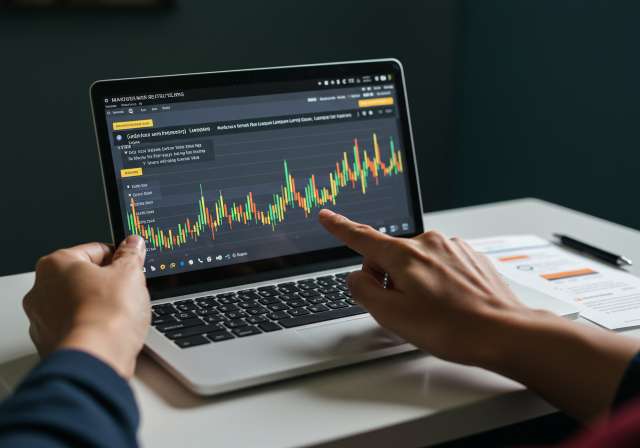
    Intraday Trading: A Beginner’s Guide to Day Trading in India

    Demystifying Intraday Trading: Learn the risks, strategies & tips for navigating the Indian stock market. Explore potential profits & essential consider

    Demystifying intraday trading: Learn the risks, strategies & tips for navigating the Indian stock market. Explore potential profits & essential considerations before you start intraday trading.

    Intraday Trading: A Beginner’s Guide to Day Trading in India

    Introduction to Intraday Trading

    The Indian stock market, with its vibrant exchanges like the NSE (National Stock Exchange) and BSE (Bombay Stock Exchange), offers various avenues for investors to grow their wealth. From long-term investments in fundamentally sound companies to short-term strategies aimed at capitalizing on daily price fluctuations, the options are numerous. One such strategy, often alluring to newcomers and seasoned traders alike, is day trading, also commonly known as intraday trading.

    At its core, intraday trading involves buying and selling financial instruments, such as stocks, futures, or options, within the same trading day. The primary goal is to profit from small price movements during the day and square off all positions before the market closes. Unlike long-term investing, which focuses on holding assets for months or years, intraday trading is a high-frequency, short-term game that demands quick thinking, discipline, and a thorough understanding of market dynamics.

    Understanding the Mechanics of Intraday Trading in India

    To participate effectively in intraday trading, it’s crucial to grasp the fundamental mechanics involved:

    • Trading Account: You’ll need a Demat and trading account with a SEBI (Securities and Exchange Board of India) registered broker. Ensure your broker offers the tools and platforms suitable for intraday trading, including real-time market data and charting software.
    • Margin Trading: Brokers typically offer margin trading facilities, allowing you to trade with a larger capital base than you actually possess. While this can amplify potential profits, it also significantly increases the risk of losses. Understand the margin requirements and the potential for margin calls before leveraging your positions.
    • Order Types: Familiarize yourself with various order types, such as market orders (executed immediately at the best available price), limit orders (executed only at a specified price or better), and stop-loss orders (designed to limit potential losses). Stop-loss orders are particularly crucial in intraday trading to manage risk.
    • Market Hours: The Indian stock market operates from 9:15 AM to 3:30 PM IST. Intraday traders typically close their positions before the market closes to avoid overnight risk.
    • Settlement Cycle: In intraday, all positions are squared off during the same trading day, there is no need to carry forward positions, which requires different strategies and capital.

    Strategies Employed in Intraday Trading

    Successful intraday trading relies on employing well-defined strategies based on technical analysis, market trends, and news events. Here are some common strategies used by intraday traders in the Indian stock market:

    • Technical Analysis: Analyzing price charts, patterns, and technical indicators like moving averages, RSI (Relative Strength Index), and MACD (Moving Average Convergence Divergence) to identify potential trading opportunities.
    • Breakout Trading: Identifying stocks that are breaking out of a defined range (resistance or support levels) and entering a trade based on the anticipated continuation of the breakout.
    • Momentum Trading: Capitalizing on stocks exhibiting strong upward or downward momentum, buying the rising stocks and short-selling the falling ones.
    • Scalping: A high-frequency strategy involving making numerous small profits from tiny price movements throughout the day. This requires quick reflexes and robust trading platforms.
    • News-Based Trading: Reacting to market-moving news events, such as earnings announcements, economic data releases, or regulatory changes, to profit from the immediate price impact.

    Risk Management in Intraday Trading

    Risk management is paramount in intraday trading, given its inherent volatility and potential for rapid losses. Without a solid risk management plan, even the most promising trading strategy can lead to significant financial setbacks. Here are essential risk management techniques:

    • Stop-Loss Orders: Always use stop-loss orders to limit potential losses on each trade. Determine the maximum amount you’re willing to risk per trade and set your stop-loss accordingly.
    • Position Sizing: Control the size of your positions to avoid overexposure to any single trade. A general guideline is to risk no more than 1-2% of your total trading capital on any individual trade.
    • Leverage Control: Be cautious with leverage, as it can magnify both profits and losses. Start with low leverage and gradually increase it as you gain experience and confidence.
    • Trading Plan: Develop a comprehensive trading plan that outlines your trading strategies, risk management rules, and entry/exit criteria. Stick to your plan and avoid making impulsive decisions based on emotions.
    • Capital Preservation: Prioritize capital preservation over maximizing profits. Don’t be afraid to take small profits and cut losses quickly. Remember, the goal is to stay in the game for the long term.

    Essential Tips for Intraday Traders in India

    Here are some valuable tips for those considering intraday trading in the Indian stock market:

    • Start Small: Begin with a small amount of capital that you can afford to lose. As you gain experience and confidence, you can gradually increase your trading capital.
    • Choose Liquid Stocks: Focus on trading liquid stocks with high trading volumes and narrow bid-ask spreads. This ensures that you can enter and exit trades quickly and efficiently.
    • Avoid Overtrading: Don’t feel compelled to trade every day. Wait for high-probability setups that align with your trading strategy. Overtrading can lead to impulsive decisions and increased risk.
    • Stay Disciplined: Stick to your trading plan and avoid deviating from your risk management rules. Emotional trading is a common pitfall that can lead to costly mistakes.
    • Continuous Learning: The stock market is constantly evolving, so it’s essential to stay updated on market trends, trading strategies, and economic news. Attend seminars, read books, and follow reputable financial analysts.
    • Keep Emotions in Check: Fear and greed are two of the biggest enemies of intraday traders. Don’t let your emotions cloud your judgment.
    • Review and Adapt: Regularly review your trading performance to identify areas for improvement. Adapt your trading strategies as market conditions change.

    Intraday Trading vs. Other Investment Options

    It’s crucial to understand how intraday trading compares to other investment options available in the Indian market. While intraday trading offers the potential for quick profits, it also carries significantly higher risk compared to options like:

    • Long-Term Equity Investing: Investing in fundamentally sound companies for the long term (years) is generally considered less risky than intraday trading. It relies on the growth potential of the company rather than short-term price fluctuations.
    • Mutual Funds: Investing in diversified mutual funds, whether equity-based or debt-based, spreads risk across a portfolio of securities. Systematic Investment Plans (SIPs) in mutual funds offer a disciplined approach to long-term wealth creation.
    • ELSS (Equity Linked Savings Scheme): ELSS funds offer tax benefits under Section 80C of the Income Tax Act, making them an attractive option for tax-saving investments with exposure to equity markets.
    • PPF (Public Provident Fund): PPF is a government-backed savings scheme offering guaranteed returns and tax benefits, making it a safe and reliable investment option.
    • NPS (National Pension System): NPS is a retirement savings scheme that allows individuals to invest in a mix of equity, debt, and government securities, providing a long-term retirement corpus.

    Disclaimer and Conclusion

    Intraday trading is a high-risk activity that is not suitable for all investors. It requires a thorough understanding of market dynamics, technical analysis, and risk management principles. Before engaging in intraday trading, carefully consider your financial situation, risk tolerance, and investment objectives. It’s advisable to seek professional financial advice before making any trading decisions.

    While the potential for quick profits may seem appealing, it’s crucial to approach intraday trading with caution and discipline. Remember that consistent profitability requires dedication, patience, and a willingness to learn from your mistakes. The Indian stock market offers various opportunities, but success in intraday trading hinges on a well-defined strategy and a commitment to responsible risk management.

  • Unlock Zero Brokerage: Finding the Right Trading App for You

    Unlock Zero Brokerage: Finding the Right Trading App for You

    Looking for a reliable & commission-free trading experience in India? Our guide explores the top “free trading app” options, demystifies brokerage charges,

    Looking for a reliable & commission-free trading experience in India? Our guide explores the top “free trading app” options, demystifies brokerage charges, & helps you choose the best platform for your investment goals. Start trading smarter today!

    Unlock Zero Brokerage: Finding the Right Trading App for You

    The Allure of Zero Brokerage: Revolutionizing Indian Investing

    The Indian stock market has witnessed a seismic shift in recent years, largely thanks to the rise of discount brokers and their promise of zero brokerage accounts. This has democratized access to the equity markets, empowering a new generation of investors to participate in the growth story of India. Before, traditional full-service brokers charged a percentage-based commission on every trade, significantly eating into potential profits, especially for frequent traders. This model often deterred smaller investors from actively participating in the market. Now, with zero-brokerage accounts becoming increasingly common, the landscape has dramatically changed.

    The impact on the Indian investor has been profound. More and more individuals are drawn to investing in the equity market through platforms offered by discount brokers via their trading apps. This surge in participation has injected liquidity into the NSE and BSE, contributing to a more dynamic and efficient market. The ease of use and accessibility offered by these platforms empower investors to directly manage their portfolios and participate in wealth creation.

    Decoding the “Free” in Trading Apps: Understanding the Fine Print

    While the term “zero brokerage” is enticing, it’s crucial to understand what it truly entails. While many platforms offer zero brokerage on equity delivery trades, meaning you don’t pay a commission when you hold stocks for more than a day, there are other charges you need to be aware of. These can include:

    • Statutory Charges: These are levied by the government and regulatory bodies like SEBI and the exchanges (NSE, BSE). They include Securities Transaction Tax (STT), stamp duty, exchange transaction charges, and SEBI turnover fees. These charges are applicable irrespective of the brokerage model.
    • Demat Account Charges: Your Demat account, where your shares are held electronically, may incur annual maintenance charges (AMC). Some brokers offer lifetime free Demat accounts, while others charge a yearly fee.
    • Platform Fees: Some brokers might charge a platform fee for accessing their trading platform or for specific features.
    • Interest on Margin Trading: If you use margin trading, which allows you to borrow funds to trade, you’ll be charged interest on the borrowed amount.
    • Call & Trade Charges: Placing orders via phone calls to a broker may incur additional charges.

    Therefore, it’s essential to carefully review the fee structure of any “free trading app” before opening an account to avoid any unexpected costs. Scrutinize the details and understand what charges are applicable and when they are levied. Don’t just focus on the brokerage; look at the overall cost of trading.

    Evaluating Trading Platforms: Key Features to Consider

    Choosing the right trading platform involves more than just comparing brokerage charges. Several factors contribute to a positive and efficient trading experience. Here’s what to consider:

    User Interface and Experience

    A user-friendly interface is paramount. The platform should be intuitive, easy to navigate, and responsive. Look for features like customizable watchlists, clear charting tools, and seamless order placement. A cluttered or confusing interface can lead to errors and a frustrating trading experience.

    Trading Tools and Analytics

    Robust trading tools are essential for informed decision-making. Look for platforms that offer advanced charting capabilities, real-time market data, technical indicators, and fundamental analysis tools. Access to research reports and analyst recommendations can also be beneficial.

    Order Types and Execution Speed

    Different order types, such as market orders, limit orders, stop-loss orders, and bracket orders, provide flexibility in managing risk and executing trades. Fast order execution is crucial, especially in volatile markets, to ensure you get the desired price.

    Security and Reliability

    Security is paramount when dealing with your finances. Ensure the platform employs robust security measures, such as two-factor authentication, data encryption, and regular security audits, to protect your account and personal information. The platform should also be reliable and stable, minimizing downtime and technical glitches.

    Customer Support

    Responsive and helpful customer support is essential. Check if the platform offers multiple channels for support, such as phone, email, and chat. Test their responsiveness and the quality of their support before committing.

    Investment Options

    Consider the range of investment options offered by the platform. Do you want to trade only in equities, or do you also want access to futures and options (F&O), commodities, currency derivatives, IPOs, and direct mutual funds? Choose a platform that aligns with your investment goals and risk appetite.

    Beyond Equities: Exploring Other Investment Avenues

    While “free trading app” platforms primarily focus on equities, it’s essential to remember that a well-diversified portfolio includes other asset classes as well. Consider exploring these options to mitigate risk and enhance returns:

    • Mutual Funds: Mutual funds offer a diversified way to invest in equities, debt, or a combination of both. They are managed by professional fund managers and can be a suitable option for beginners. Look for direct mutual fund platforms that offer commission-free investments. SIPs (Systematic Investment Plans) are a great way to invest regularly in mutual funds.
    • ELSS (Equity Linked Savings Scheme): ELSS funds are a type of equity mutual fund that offers tax benefits under Section 80C of the Income Tax Act. They have a lock-in period of three years, making them a good option for long-term tax-saving investments.
    • PPF (Public Provident Fund): PPF is a government-backed savings scheme that offers tax benefits and a guaranteed return. It’s a safe and reliable option for long-term savings.
    • NPS (National Pension System): NPS is a government-sponsored pension scheme that allows you to save for retirement. It offers tax benefits and a choice of investment options.
    • Fixed Deposits (FDs): FDs are a low-risk investment option that offers a fixed rate of interest. They are a good option for conservative investors looking for guaranteed returns.
    • Gold: Gold has historically been considered a safe haven asset and can provide a hedge against inflation. You can invest in gold through gold ETFs, gold mutual funds, or sovereign gold bonds.

    Diversifying your portfolio across different asset classes can help you manage risk and achieve your financial goals.

    Choosing the Right Platform: A Step-by-Step Guide

    Selecting the perfect trading platform requires careful consideration. Here’s a structured approach to help you make an informed decision:

    1. Define Your Investment Goals: What are you hoping to achieve through investing? Are you looking for long-term wealth creation, short-term gains, or a combination of both?
    2. Assess Your Risk Tolerance: How comfortable are you with the possibility of losing money? Are you a conservative, moderate, or aggressive investor?
    3. Determine Your Trading Frequency: Do you plan to trade frequently, or are you a buy-and-hold investor?
    4. Research Different Platforms: Compare the features, brokerage charges, and user reviews of various platforms.
    5. Open a Demat Account: Once you’ve chosen a platform, open a Demat account with them. This usually involves submitting KYC documents and completing an online application form.
    6. Fund Your Account: Transfer funds from your bank account to your trading account.
    7. Start Trading: Once your account is funded, you can start trading. Remember to do your research and manage your risk effectively.

    The Future of Trading in India: Embracing Technology and Innovation

    The Indian financial landscape is constantly evolving, driven by technological advancements and increasing investor awareness. We can expect to see further innovations in the trading space, such as:

    • Algorithmic Trading: Algorithmic trading, also known as automated trading, uses computer programs to execute trades based on pre-defined rules and algorithms.
    • Artificial Intelligence (AI) and Machine Learning (ML): AI and ML are being used to analyze market data, identify trading opportunities, and provide personalized investment advice.
    • Robo-Advisory: Robo-advisors are automated investment platforms that provide investment advice and portfolio management services based on your risk profile and financial goals.

    These technologies have the potential to further democratize access to financial markets and empower investors with more sophisticated tools and resources. However, it’s crucial to understand the risks involved and use these tools responsibly.

    A Word of Caution: Investing Wisely

    Investing in the stock market carries inherent risks. It’s crucial to approach it with a long-term perspective, thorough research, and a disciplined approach. Don’t be swayed by get-rich-quick schemes or blindly follow market rumors. Always consult with a qualified financial advisor before making any investment decisions. Remember to invest only what you can afford to lose and diversify your portfolio to mitigate risk. Investing through a commission-free trading app can be beneficial only if you are prudent with your research and investment decisions.

  • Best Intraday Trading App in India: A Detailed Guide

    Best Intraday Trading App in India: A Detailed Guide

    Looking for the best intraday trading app in India? Navigate the stock market with ease! Compare features, costs & security. Start your intraday journey tod

    Looking for the best intraday trading app in India? Navigate the stock market with ease! Compare features, costs & security. Start your intraday journey today!

    Best Intraday Trading App in India: A Detailed Guide

    Introduction: Navigating the Indian Stock Market with Ease

    The Indian stock market, encompassing giants like the National Stock Exchange (NSE) and the Bombay Stock Exchange (BSE), presents a world of opportunities for investors. From long-term investments in blue-chip companies to the fast-paced world of intraday trading, there’s something for everyone. However, participating effectively requires the right tools. And in today’s digital age, that often means leveraging the power of a reliable and user-friendly platform.

    Intraday trading, also known as day trading, involves buying and selling stocks within the same trading day. The goal is to profit from small price fluctuations that occur throughout the day. It’s a high-risk, high-reward strategy that demands quick decision-making and access to real-time market data. Consequently, selecting the right platform is paramount.

    This guide explores the landscape of trading platforms in India, focusing on those particularly suited for intraday trading. We’ll delve into key features, pricing structures, security considerations, and essential factors to consider before choosing the right tool for your trading journey.

    Key Features to Look for in a Trading Platform

    Before diving into specific platforms, it’s crucial to understand the essential features that make a platform suitable for intraday trading:

    1. Real-Time Data and Charting Tools

    Access to real-time market data is non-negotiable. You need to see price movements as they happen to make informed decisions. The platform should provide live quotes, charts, and other relevant data points without delay. Advanced charting tools with various technical indicators (e.g., Moving Averages, RSI, MACD) are equally important for analyzing price trends and identifying potential trading opportunities.

    2. Order Types and Execution Speed

    Intraday trading requires the ability to place various order types, including market orders, limit orders, stop-loss orders, and bracket orders. Fast and reliable order execution is also critical. Delays in order execution can result in missed opportunities or even losses, especially in a volatile market.

    3. User-Friendly Interface

    A clean, intuitive, and user-friendly interface is essential, especially when making split-second decisions. The platform should be easy to navigate, with quick access to all the necessary tools and information. Whether you are on your desktop or using the mobile app, the experience should be seamless.

    4. Mobile Accessibility

    In today’s fast-paced world, the ability to trade on the go is a significant advantage. A robust and well-designed mobile app allows you to monitor your positions and execute trades from anywhere with an internet connection. Look for apps that offer all the functionalities of the desktop platform.

    5. Research and Analysis Tools

    Access to research reports, market analysis, and news feeds can significantly enhance your trading decisions. The platform should ideally provide these resources to help you stay informed about market trends and potential trading opportunities. Some platforms offer dedicated research teams and expert analysis that can be invaluable for both novice and experienced traders.

    6. Customer Support

    Reliable customer support is crucial in case you encounter any issues or need assistance with the platform. Look for platforms that offer multiple channels of support, such as phone, email, and live chat. A responsive and helpful customer support team can save you time and frustration.

    Evaluating the Costs: Brokerage Charges and Other Fees

    Brokerage charges can significantly impact your profitability, especially in intraday trading where you’re making frequent trades. Here’s a breakdown of the common types of fees:

    • Brokerage Fees: Traditionally, brokerage fees were a percentage of the trade value. However, many brokers now offer flat-fee brokerage plans, charging a fixed amount per trade (e.g., ₹20 per order). Flat-fee plans are generally more cost-effective for intraday traders.
    • Account Maintenance Charges (AMC): Some brokers charge an annual fee for maintaining your trading account. Compare AMCs before making a decision.
    • Transaction Charges: These are levied by the exchanges (NSE and BSE) and the clearing corporations. They are typically a small percentage of the trade value.
    • SEBI Turnover Fees: A small fee charged by the Securities and Exchange Board of India (SEBI).
    • GST: Goods and Services Tax is applicable on brokerage and other fees.
    • DP Charges: These are charged when shares are debited from your Demat account. They are relevant if you take delivery of shares.

    It’s crucial to carefully compare the cost structures of different brokers and choose one that aligns with your trading volume and style. Don’t just focus on the headline brokerage rates; consider all the associated fees to get a complete picture.

    Security and Reliability: Protecting Your Investments

    The security of your funds and data is of utmost importance. Ensure that the platform you choose has robust security measures in place to protect against cyber threats and unauthorized access. Look for features such as:

    • Two-Factor Authentication (2FA): This adds an extra layer of security by requiring a second authentication factor (e.g., OTP) in addition to your password.
    • Encryption: The platform should use encryption to protect your sensitive data during transmission and storage.
    • Regular Security Audits: The platform should undergo regular security audits to identify and address potential vulnerabilities.
    • Segregation of Funds: Your funds should be kept separate from the broker’s funds to protect them in case of the broker’s insolvency.

    Furthermore, ensure that the broker is registered with SEBI and adheres to all regulatory requirements. Check for any past disciplinary actions or complaints against the broker. Read user reviews and testimonials to get a sense of the platform’s reliability and security.

    Popular Trading Platforms in India for Intraday Trading

    Several brokers in India offer platforms suitable for intraday trading. Here are a few of the most popular options:

    • Zerodha Kite: Known for its low brokerage fees and user-friendly interface. Offers advanced charting tools and a robust mobile app.
    • Upstox Pro: Another popular discount broker with a flat-fee brokerage model. Provides access to a wide range of research reports and analysis tools.
    • Angel One: A full-service broker that offers a combination of brokerage services, research, and advisory services. Provides access to a dedicated relationship manager.
    • Groww: A user-friendly platform popular among beginner investors. Offers a simple and intuitive interface for trading stocks, mutual funds, and other instruments.
    • 5paisa: A discount broker that offers a flat-fee brokerage plan and access to various trading tools and features.

    Each platform has its own strengths and weaknesses. It’s essential to compare them carefully based on your individual needs and preferences. Consider factors such as brokerage fees, features, user interface, customer support, and security.

    Beyond Stocks: Exploring Other Intraday Trading Opportunities

    While stocks are the most common instrument for intraday trading, other options are available in the Indian market:

    • Index Options (Nifty & Bank Nifty): Trading options on indices like the Nifty 50 and Bank Nifty can offer leveraged exposure to the market.
    • Currency Derivatives: Trade currency pairs such as USD/INR, EUR/INR, and GBP/INR.
    • Commodity Derivatives: Trade commodities such as gold, silver, crude oil, and natural gas on exchanges like MCX (Multi Commodity Exchange).

    These instruments offer the potential for higher returns, but they also come with increased risk. It’s crucial to understand the intricacies of these instruments before engaging in intraday trading.

    Risk Management: A Crucial Element of Intraday Trading

    Intraday trading is inherently risky. It’s essential to implement a robust risk management strategy to protect your capital. Here are some key risk management techniques:

    • Set Stop-Loss Orders: Always set stop-loss orders to limit your potential losses on each trade.
    • Manage Position Size: Don’t risk more than a small percentage of your capital on any single trade. A common rule of thumb is to risk no more than 1-2% of your capital per trade.
    • Avoid Over-Trading: Resist the urge to trade excessively. Stick to your trading plan and avoid impulsive decisions.
    • Control Your Emotions: Emotions can cloud your judgment and lead to poor trading decisions. Stay calm and disciplined, even when the market is volatile.
    • Keep a Trading Journal: Track your trades, including your entry and exit points, rationale, and results. Analyze your performance to identify areas for improvement.

    Remember, intraday trading is not a get-rich-quick scheme. It requires discipline, patience, and a well-defined trading strategy.

    The Role of SEBI and Regulatory Compliance

    The Securities and Exchange Board of India (SEBI) is the regulatory body responsible for overseeing the Indian stock market. SEBI’s role is to protect investors and ensure the integrity of the market. It’s crucial to choose a broker that is registered with SEBI and adheres to all regulatory requirements.

    Be aware of SEBI’s regulations regarding intraday trading, including margin requirements and other compliance guidelines. Familiarize yourself with the rules and regulations to avoid any violations and ensure that you are trading legally and ethically.

    Alternatives to Intraday Trading for Indian Investors

    While intraday trading can be appealing, it’s not suitable for everyone. Many Indian investors prefer other investment options that offer a better balance of risk and return:

    • Long-Term Equity Investments: Investing in fundamentally strong companies for the long term.
    • Mutual Funds: Investing in diversified portfolios managed by professional fund managers. Options include equity funds, debt funds, and hybrid funds.
    • Systematic Investment Plans (SIPs): Investing a fixed amount regularly in mutual funds. SIPs help to average out your investment cost and reduce risk.
    • Exchange Traded Funds (ETFs): Investing in funds that track a specific index or sector.
    • Public Provident Fund (PPF): A government-backed savings scheme that offers tax benefits and a guaranteed return.
    • National Pension System (NPS): A retirement savings scheme that offers tax benefits and a market-linked return.
    • ELSS (Equity Linked Savings Scheme): Tax-saving mutual funds that invest primarily in equities.

    These options are generally less risky than intraday trading and may be more suitable for investors with a long-term investment horizon and a lower risk tolerance.

    Conclusion: Choosing the Right Platform for Your Trading Needs

    Selecting the right trading platform is a crucial step in your journey as an intraday trader. Consider the factors outlined in this guide, including features, costs, security, and customer support. Do your research, compare different platforms, and choose one that aligns with your individual needs and trading style. Remember, successful intraday trading requires discipline, knowledge, and a well-defined strategy. Good luck!