Looking for a reliable & commission-free trading experience in India? Our guide explores the top “free trading app” options, demystifies brokerage charges,
Looking for a reliable & commission-free trading experience in India? Our guide explores the top “free trading app” options, demystifies brokerage charges, & helps you choose the best platform for your investment goals. Start trading smarter today!
Unlock Zero Brokerage: Finding the Right Trading App for You
The Allure of Zero Brokerage: Revolutionizing Indian Investing
The Indian stock market has witnessed a seismic shift in recent years, largely thanks to the rise of discount brokers and their promise of zero brokerage accounts. This has democratized access to the equity markets, empowering a new generation of investors to participate in the growth story of India. Before, traditional full-service brokers charged a percentage-based commission on every trade, significantly eating into potential profits, especially for frequent traders. This model often deterred smaller investors from actively participating in the market. Now, with zero-brokerage accounts becoming increasingly common, the landscape has dramatically changed.
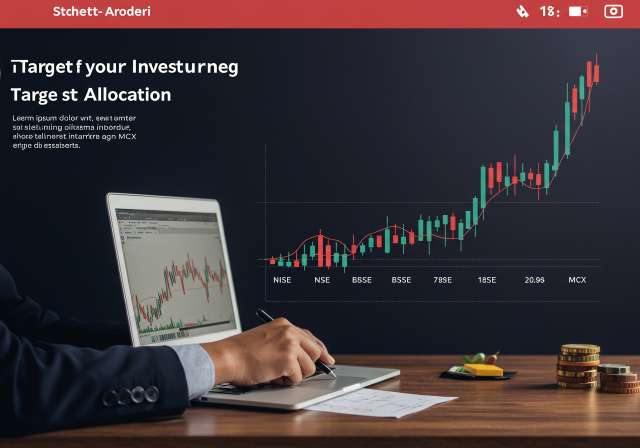
The impact on the Indian investor has been profound. More and more individuals are drawn to investing in the equity market through platforms offered by discount brokers via their trading apps. This surge in participation has injected liquidity into the NSE and BSE, contributing to a more dynamic and efficient market. The ease of use and accessibility offered by these platforms empower investors to directly manage their portfolios and participate in wealth creation.
Decoding the “Free” in Trading Apps: Understanding the Fine Print
While the term “zero brokerage” is enticing, it’s crucial to understand what it truly entails. While many platforms offer zero brokerage on equity delivery trades, meaning you don’t pay a commission when you hold stocks for more than a day, there are other charges you need to be aware of. These can include:
- Statutory Charges: These are levied by the government and regulatory bodies like SEBI and the exchanges (NSE, BSE). They include Securities Transaction Tax (STT), stamp duty, exchange transaction charges, and SEBI turnover fees. These charges are applicable irrespective of the brokerage model.
- Demat Account Charges: Your Demat account, where your shares are held electronically, may incur annual maintenance charges (AMC). Some brokers offer lifetime free Demat accounts, while others charge a yearly fee.
- Platform Fees: Some brokers might charge a platform fee for accessing their trading platform or for specific features.
- Interest on Margin Trading: If you use margin trading, which allows you to borrow funds to trade, you’ll be charged interest on the borrowed amount.
- Call & Trade Charges: Placing orders via phone calls to a broker may incur additional charges.
Therefore, it’s essential to carefully review the fee structure of any “free trading app” before opening an account to avoid any unexpected costs. Scrutinize the details and understand what charges are applicable and when they are levied. Don’t just focus on the brokerage; look at the overall cost of trading.
Evaluating Trading Platforms: Key Features to Consider
Choosing the right trading platform involves more than just comparing brokerage charges. Several factors contribute to a positive and efficient trading experience. Here’s what to consider:
User Interface and Experience
A user-friendly interface is paramount. The platform should be intuitive, easy to navigate, and responsive. Look for features like customizable watchlists, clear charting tools, and seamless order placement. A cluttered or confusing interface can lead to errors and a frustrating trading experience.
Trading Tools and Analytics
Robust trading tools are essential for informed decision-making. Look for platforms that offer advanced charting capabilities, real-time market data, technical indicators, and fundamental analysis tools. Access to research reports and analyst recommendations can also be beneficial.
Order Types and Execution Speed
Different order types, such as market orders, limit orders, stop-loss orders, and bracket orders, provide flexibility in managing risk and executing trades. Fast order execution is crucial, especially in volatile markets, to ensure you get the desired price.
Security and Reliability
Security is paramount when dealing with your finances. Ensure the platform employs robust security measures, such as two-factor authentication, data encryption, and regular security audits, to protect your account and personal information. The platform should also be reliable and stable, minimizing downtime and technical glitches.
Customer Support
Responsive and helpful customer support is essential. Check if the platform offers multiple channels for support, such as phone, email, and chat. Test their responsiveness and the quality of their support before committing.
Investment Options
Consider the range of investment options offered by the platform. Do you want to trade only in equities, or do you also want access to futures and options (F&O), commodities, currency derivatives, IPOs, and direct mutual funds? Choose a platform that aligns with your investment goals and risk appetite.
Beyond Equities: Exploring Other Investment Avenues
While “free trading app” platforms primarily focus on equities, it’s essential to remember that a well-diversified portfolio includes other asset classes as well. Consider exploring these options to mitigate risk and enhance returns:
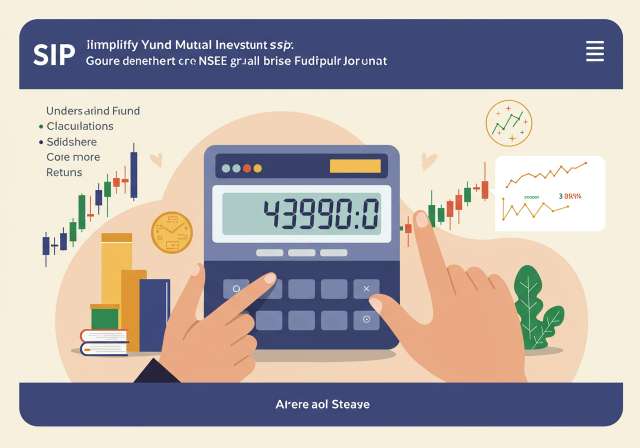
- Mutual Funds: Mutual funds offer a diversified way to invest in equities, debt, or a combination of both. They are managed by professional fund managers and can be a suitable option for beginners. Look for direct mutual fund platforms that offer commission-free investments. SIPs (Systematic Investment Plans) are a great way to invest regularly in mutual funds.
- ELSS (Equity Linked Savings Scheme): ELSS funds are a type of equity mutual fund that offers tax benefits under Section 80C of the Income Tax Act. They have a lock-in period of three years, making them a good option for long-term tax-saving investments.
- PPF (Public Provident Fund): PPF is a government-backed savings scheme that offers tax benefits and a guaranteed return. It’s a safe and reliable option for long-term savings.
- NPS (National Pension System): NPS is a government-sponsored pension scheme that allows you to save for retirement. It offers tax benefits and a choice of investment options.
- Fixed Deposits (FDs): FDs are a low-risk investment option that offers a fixed rate of interest. They are a good option for conservative investors looking for guaranteed returns.
- Gold: Gold has historically been considered a safe haven asset and can provide a hedge against inflation. You can invest in gold through gold ETFs, gold mutual funds, or sovereign gold bonds.
Diversifying your portfolio across different asset classes can help you manage risk and achieve your financial goals.
Choosing the Right Platform: A Step-by-Step Guide
Selecting the perfect trading platform requires careful consideration. Here’s a structured approach to help you make an informed decision:
- Define Your Investment Goals: What are you hoping to achieve through investing? Are you looking for long-term wealth creation, short-term gains, or a combination of both?
- Assess Your Risk Tolerance: How comfortable are you with the possibility of losing money? Are you a conservative, moderate, or aggressive investor?
- Determine Your Trading Frequency: Do you plan to trade frequently, or are you a buy-and-hold investor?
- Research Different Platforms: Compare the features, brokerage charges, and user reviews of various platforms.
- Open a Demat Account: Once you’ve chosen a platform, open a Demat account with them. This usually involves submitting KYC documents and completing an online application form.
- Fund Your Account: Transfer funds from your bank account to your trading account.
- Start Trading: Once your account is funded, you can start trading. Remember to do your research and manage your risk effectively.
The Future of Trading in India: Embracing Technology and Innovation
The Indian financial landscape is constantly evolving, driven by technological advancements and increasing investor awareness. We can expect to see further innovations in the trading space, such as:
- Algorithmic Trading: Algorithmic trading, also known as automated trading, uses computer programs to execute trades based on pre-defined rules and algorithms.
- Artificial Intelligence (AI) and Machine Learning (ML): AI and ML are being used to analyze market data, identify trading opportunities, and provide personalized investment advice.
- Robo-Advisory: Robo-advisors are automated investment platforms that provide investment advice and portfolio management services based on your risk profile and financial goals.
These technologies have the potential to further democratize access to financial markets and empower investors with more sophisticated tools and resources. However, it’s crucial to understand the risks involved and use these tools responsibly.
A Word of Caution: Investing Wisely
Investing in the stock market carries inherent risks. It’s crucial to approach it with a long-term perspective, thorough research, and a disciplined approach. Don’t be swayed by get-rich-quick schemes or blindly follow market rumors. Always consult with a qualified financial advisor before making any investment decisions. Remember to invest only what you can afford to lose and diversify your portfolio to mitigate risk. Investing through a commission-free trading app can be beneficial only if you are prudent with your research and investment decisions.